
Alphabet house on a small service
A 1940s panel with decades of additions. We run the load calculation before promising a 40 amp charger circuit.
Gale Electric is based in Richland, so a charger install here is a short drive. Richland is also the one city in the Tri-Cities that runs its own electrical inspections and its own electric utility, and that changes how the job is scheduled. We handle the permit, the inspection and the load calculation, and you get a written price before we start.
A 1940s panel with decades of additions. We run the load calculation before promising a 40 amp charger circuit.
200 amps but no open spaces. A 240 volt circuit needs two adjacent slots, so this is sometimes a small sub panel job.
Level 1 adds a few miles an hour. A Level 2 circuit turns an overnight into a full charge every morning.
Inside Richland city limits, electrical permits and inspections go through the City of Richland, not Washington Labor and Industries. Power comes from City of Richland Energy Services, not a PUD. For a normal charger install that means a city inspector signs off on the circuit. For a charger that needs a service upgrade first, it means we coordinate the meter work with Richland Energy Services rather than Benton PUD. It is routine for us. It is not always routine for an electrician driving in from another city.
Central Richland is full of Hanford-era alphabet houses. They were built in the 1940s for a workforce, and a lot of them still carry small services and panels that have been added to for eighty years. Before we put a 40 amp continuous load on one of those panels, we run the calculation under NEC 220.83 or 220.87. Often the honest answer is a service upgrade first, or a smaller charger with load management. We tell you that up front.
Meadow Springs, Badger Mountain South, Horn Rapids and the subdivisions off Queensgate are the opposite. Newer homes, 200 amp services, and usually room in the panel. Those installs are straightforward: a 40 to 60 amp circuit, a short run to the garage wall, the inspection, done.
A 40 amp breaker supports 32 amps of charging. A 50 amp breaker supports 40. A 60 amp breaker supports 48. For most Richland commutes, 32 amps refills the car overnight with hours to spare. Paying for a service upgrade to reach 48 amps when 32 covers your driving is money that could have stayed in your pocket. We size the circuit to how you drive, not to the biggest number on the box.
We work all over Richland, from the older neighborhoods to the newest subdivisions. These are the areas we are in most weeks. If yours is not listed, call anyway. If it is in Benton County, we cover it.
We record the service size, existing loads and available spaces, then run the calculation under NEC 220.83 or NEC 220.87.
Charger amperage, breaker size and conductor size get chosen as one set, based on what the service supports and how you actually drive.
We pull the permit, run the circuit from the panel to the charger location in conduit or cable as the route requires, and mount the unit.
The charger is set to the correct amperage, tested with your vehicle plugged in, and we are on site for the inspection.
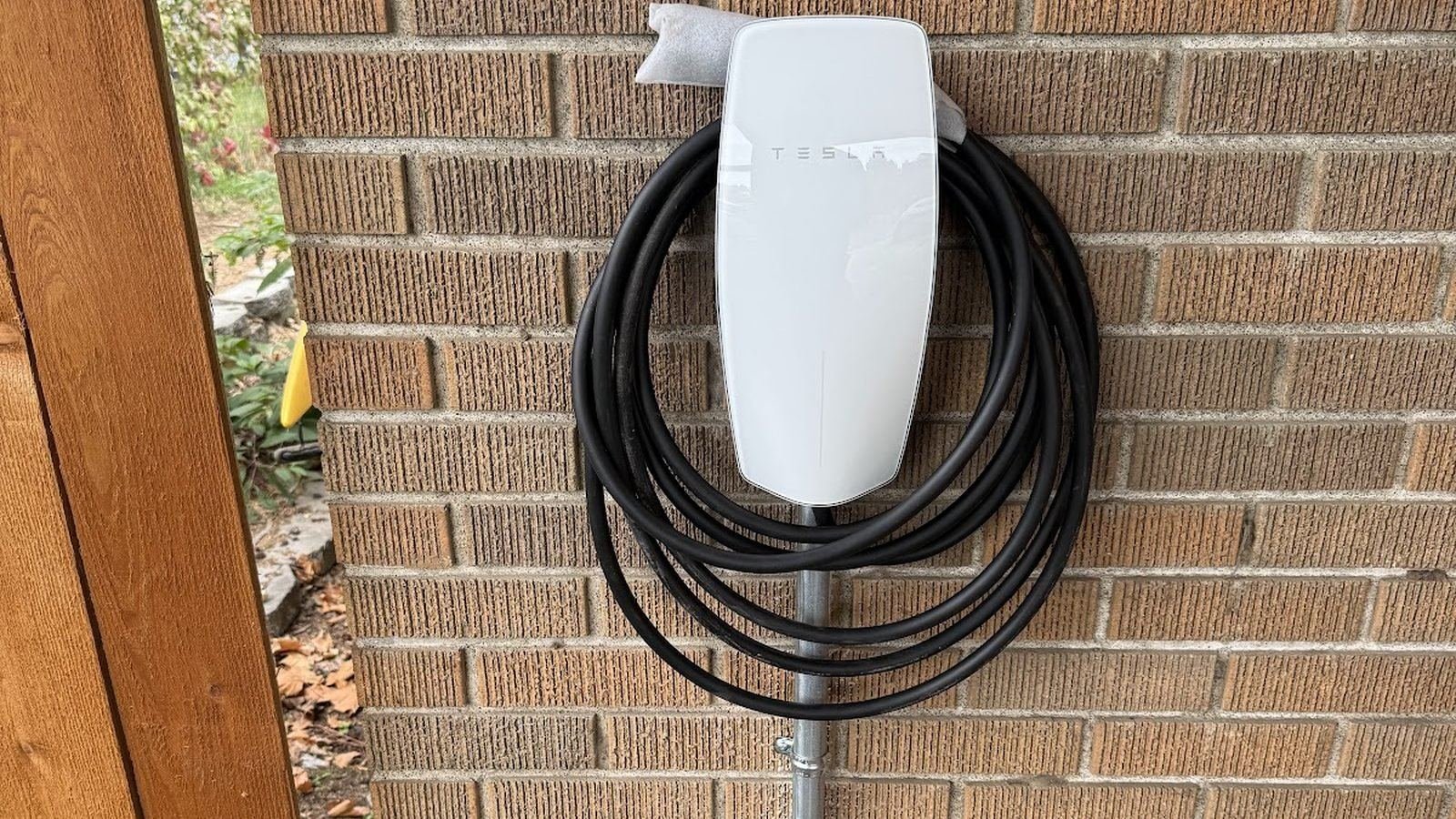
Tesla Wall Connector installation in the Tri-Cities. Hardwired 48A circuits, load calculations, permits, commiss
See details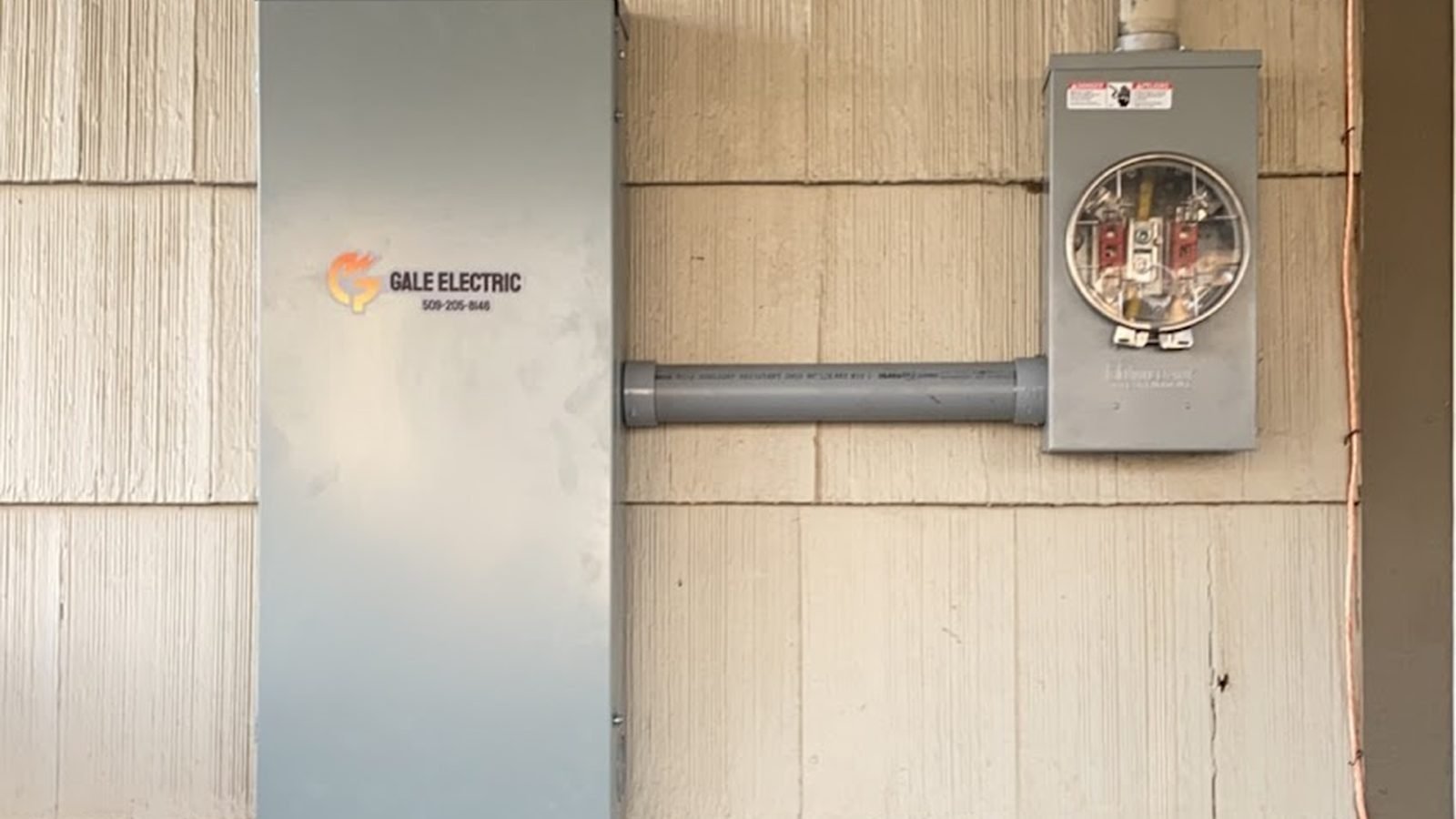
Out of breaker space for a heat pump, shop, or EV charger? Gale Electric upgrades residential panels across the
See detailsMoving from 100 to 200 amps for a heat pump, shop, or EV charger? Gale Electric handles the load calculation, pe
See detailsFree estimates across the Tri-Cities. Call Kyle and the crew, or send the details and we will come look.
We use cookies for basic analytics and to see which ads bring people here. No personal data is sold. Privacy policy