
One chirps in the night
Batteries lose voltage as the house cools before dawn, which is why low battery chirps almost always start around 3AM.
Smoke and carbon monoxide alarms are the cheapest life safety equipment in your house and the most commonly neglected. Most homes we walk into have alarms past their replacement date, alarms missing from bedrooms, or a chirping unit somebody pulled down and left in a drawer. We install hardwired interconnected alarms, place them where code requires, and date them so you know when they are due.
Batteries lose voltage as the house cools before dawn, which is why low battery chirps almost always start around 3AM.
Every alarm has a manufacture date on the back. If you cannot find one, it is old enough to replace.
Washington requires an alarm inside each sleeping room, not just in the hallway outside them.
Washington law requires working carbon monoxide alarms in a residence before a buyer takes occupancy.
A new gas furnace, water heater, or range changes your carbon monoxide risk and where alarms belong.
The smoke alarm rule is straightforward once you hear it. You need one inside every sleeping room, one outside each separate sleeping area in the immediate vicinity of the bedrooms, and at least one on every level of the house including a basement. A three bedroom single-level home in Kennewick usually lands at four or five alarms. A two-story house with bedrooms upstairs needs one on each floor plus the bedroom and hallway units, which surprises people who have exactly two alarms in the whole place.
Carbon monoxide alarms follow their own placement, which is outside each separate sleeping area and on every level. Washington has required carbon monoxide alarms in residences under RCW 19.27.530 for over a decade, and the requirement reaches existing homes at the point of sale, which is why real estate transactions are what usually prompt the call. Combination smoke and CO units satisfy both in one location, though they are not a substitute for a dedicated smoke alarm inside each bedroom.
Interconnection is the part that changes outcomes. When alarms are interconnected, one detecting smoke sounds every alarm in the house at once. If a fire starts in the garage at two in the morning, the alarm going off is the one six feet from your pillow, not the one you cannot hear through a closed door down the hall. New construction and most permitted remodels require hardwired interconnected alarms with battery backup, and running that wiring during a project costs very little compared to adding it later.
For an existing home where fishing wire through finished walls is impractical, wireless interconnected alarms give you the same behavior without opening drywall. They talk to each other on a radio link, so one triggers all of them. If you are staying with battery-only units, Washington requires that alarms sold or installed here run on a sealed ten year lithium battery, which ends the yearly battery swap and the temptation to pull the battery out when it chirps.
Smoke alarms expire. The sensing chamber degrades over time whether the unit has ever alarmed or not, and the industry standard is replacement at ten years from the manufacture date printed on the back. Carbon monoxide sensors have a shorter life, commonly seven to ten years depending on the manufacturer. An alarm that passes its test button can still be past its useful life, because that button tests the horn and the electronics, not the sensor's ability to detect a fire.
Two sensing technologies exist and they are good at different things. Ionization sensors respond faster to fast-flaming fires. Photoelectric sensors respond faster to smoldering fires, which is the type that kills people asleep at night, and they nuisance-trip far less from cooking. Dual-sensor units cover both. Placement matters just as much, and we keep alarms away from HVAC supply registers and at the distance from cooking appliances that NFPA 72 sets, because an alarm the family disables is worse than no alarm.
Carbon monoxide has no smell, no color, and no warning before symptoms start, and the early symptoms read like flu. The sources in a typical Tri-Cities home are a gas furnace or water heater with a cracked heat exchanger or a blocked flue, a gas range used for heat during a cold snap, and a vehicle warming up in an attached garage. Alarms are the only way anyone finds out, which is exactly why the state requires them and why we place them near sleeping areas.
One risk climbs during winter outages. Every year people run a portable generator too close to the house, or in a garage with the door partly open, and the exhaust finds its way inside. A generator belongs well away from the structure with the exhaust pointed away from every door, window, and vent, and never in a garage or a carport. If your CO alarm sounds, get everyone outside first and call 911, then have the appliance or the equipment checked before anyone goes back in.
We walk every level and every bedroom, note what exists, read the date stamps, and mark where alarms are missing.
Hardwired interconnected, wireless interconnected, or sealed ten year battery, based on the house and what is realistic to wire.
Boxes set, alarms mounted clear of registers and cooking appliances, interconnection verified from every unit.
We trigger the system so you hear every alarm sound together, then write the install date on each unit.
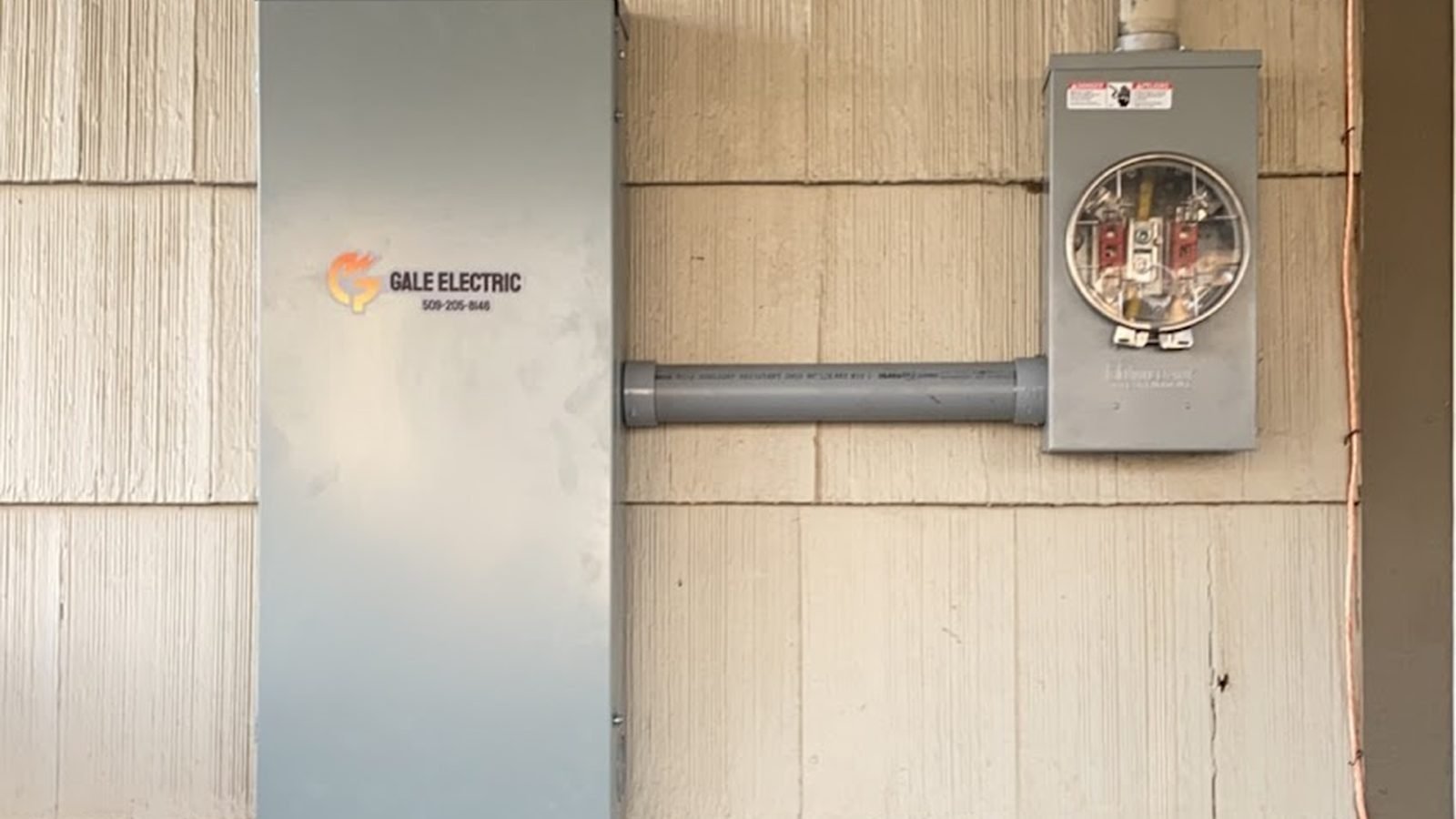
Residential electrical inspections in Kennewick, Richland, and Pasco. Panel, grounding, and wiring checked by a
See details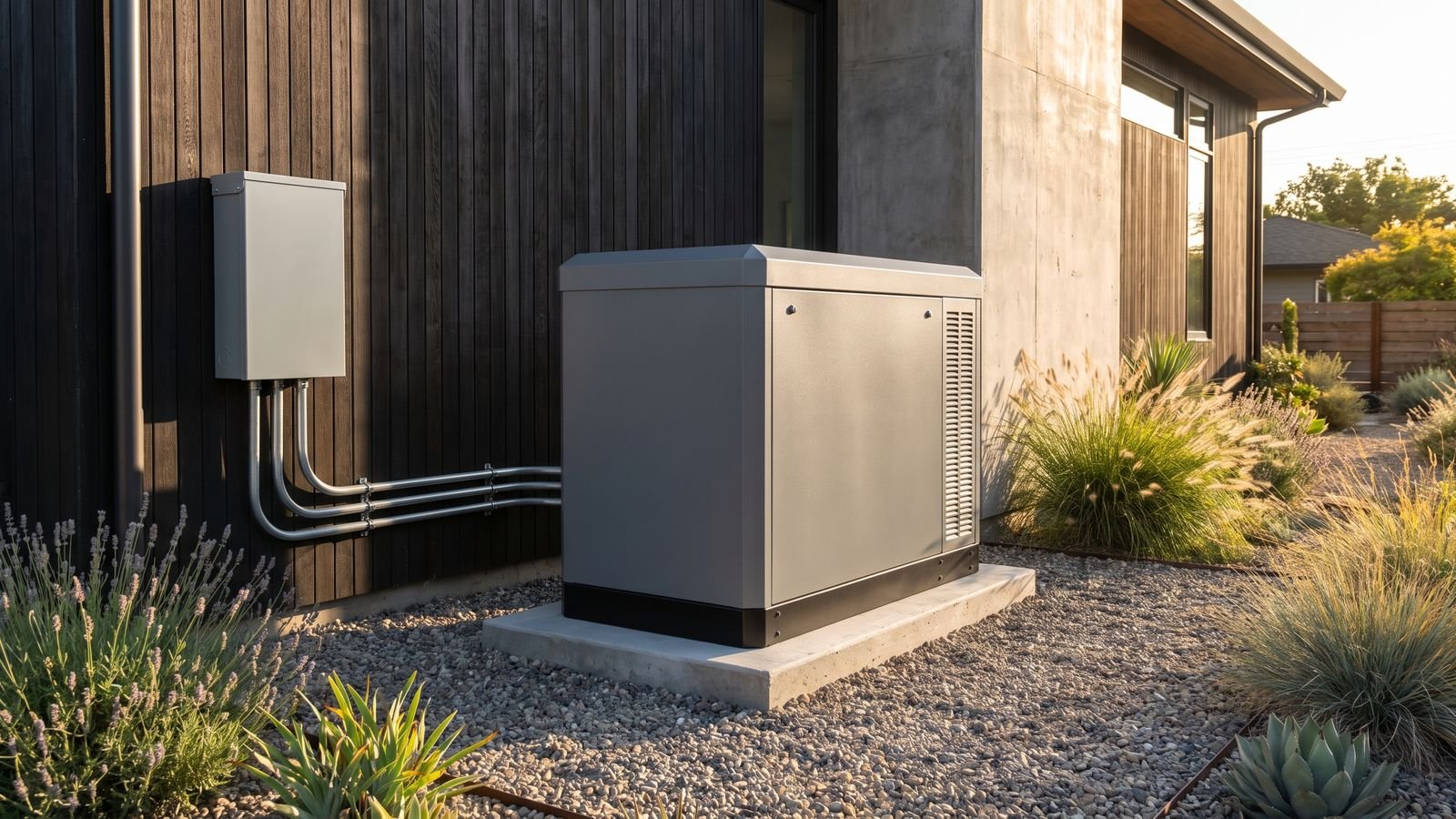
Standby generator installation in Kennewick, Richland, and Pasco. Kyle Gale sizes the unit, wires the transfer s
See details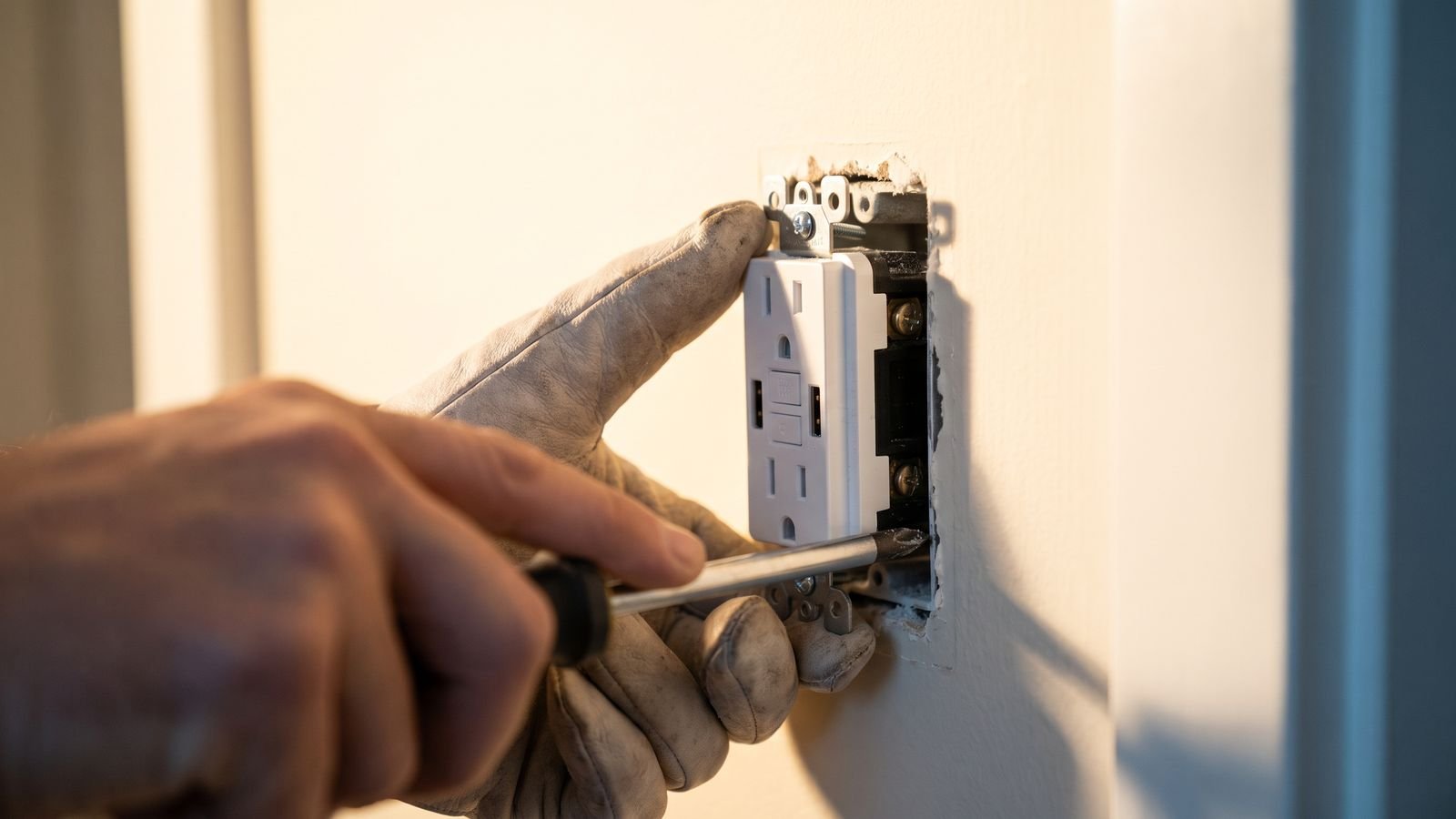
Dead outlet, loose plug, or need one where there is none? Gale Electric installs and repairs outlets in Kennewic
See detailsFree estimates across the Tri-Cities. Call Kyle and the crew, or send the details and we will come look.
We use cookies for basic analytics and to see which ads bring people here. No personal data is sold. Privacy policy