
No open breaker spaces left
If the load calculation says your service is fine and the only problem is physical room, a sub panel adds spaces without touching the meter, the service conductors, or the utility.
Sometimes the main panel is not undersized, it is just full. A sub panel takes one feeder off the main and turns it into a new set of breaker spaces near the work: the shop, the detached garage, the addition, the basement. It is often the cheaper and faster answer to a crowded panel, and Gale Electric will tell you when it is the right one instead of selling you a service upgrade.
If the load calculation says your service is fine and the only problem is physical room, a sub panel adds spaces without touching the meter, the service conductors, or the utility.
Running a compressor, a welder, and a heater off two extension cords from the house is a fire risk and a nuisance. A dedicated feeder and local panel gives each tool its own circuit and its own breaker.
Circuits that travel a long distance lose voltage. Feeding one properly sized sub panel out to a detached building beats running six individual home runs and dealing with voltage drop on each one.
New living space needs its own kitchen, bath, and bedroom circuits, all with arc fault and ground fault protection. Landing those on a local sub panel keeps the wiring short and the labeling honest.
Skinny tandem breakers are a common way to squeeze more circuits into a full panel, and many panels limit how many are allowed. A sub panel is the code compliant version of the same idea.
A sub panel is fed by a single breaker in the main panel, sized to the feeder conductors running to it. Everything downstream lives on that feeder. A 60 amp sub panel in an attached garage, a 100 amp sub panel in a detached shop, and a 125 amp sub panel for a large addition are all common in the Tri-Cities. The feeder becomes one load on the main panel, and the sub panel breaks it back out into as many circuits as the new space needs.
The wiring detail that separates a correct sub panel from a hazard is neutral and ground separation. The neutral bar in a sub panel must be isolated from the enclosure, and the equipment grounds land on their own bonded bar. Bonding happens once, at the service, per NEC 250.24 and 250.32. Get that wrong and normal load current starts flowing on the ground path and on any metal it touches, which is exactly the condition grounding exists to prevent.
Detached buildings are the most common sub panel job in Kennewick and West Richland, where lot sizes leave room for a real shop. The feeder runs underground in conduit, usually in a trench at the depth required for the wiring method and voltage. A four wire feeder carries two hot conductors, a neutral, and a separate equipment ground, since current code no longer allows the older three wire method with a bonded neutral at the outbuilding.
The detached building also needs its own grounding electrode system, typically driven rods bonded to the sub panel ground bar, and a means of disconnect at the structure. Kyle sizes the feeder for the actual tool load rather than the smallest wire that passes: a 100 amp feeder on 3 AWG copper or 1/0 aluminum costs a little more in the trench and saves you from doing the entire job again when the welder and the heater run at the same time.
The load calculation answers this. If the house calculates well under its service rating and you have simply run out of breaker spaces, a sub panel is the correct and less expensive solution. If the calculation comes in near or over the service rating, adding a sub panel does not create capacity that is not there. It just redistributes a load the service already cannot carry, and the main breaker will keep telling you so on hot afternoons.
Kyle runs that calculation during the free estimate and gives you the number. Customers in the Tri-Cities have left reviews about being told the smaller job was the right one, and that is deliberate. An electrician who sells a 200 amp service upgrade to a house that needed a 60 amp sub panel gets paid once. The point of the family business Kyle started in 2020 is to be the person you call the next four times.
Sub panel installations are permitted work, filed with Washington L&I in most of Benton and Franklin County or with the City of Richland for addresses in city limits, depending on jurisdiction. Underground feeders get an inspection while the trench is still open, so the timing matters. Gale Electric schedules that inspection before backfilling, which sounds obvious and is the step homeowners doing their own trenching most often miss.
Doing it once also means sizing for what the space becomes, not just what it is today. A garage that holds a chest freezer this year holds a mini split and a car charger in three. The conduit and the feeder are the parts that are painful to change later, and the breakers and circuits inside the sub panel are the parts that are easy. Kyle sizes the hard parts generously and prices the rest to what you actually need now.
Kyle calculates the existing house load, confirms the main panel has capacity for the feeder, and sizes the sub panel and conductors to the equipment the space will hold.
The permit gets filed, and the feeder route is planned through conduit, attic, crawlspace, or trench depending on the building. Underground runs get located and marked before digging.
The feeder breaker lands in the main panel, the four wire feeder is pulled, the sub panel is mounted with neutrals isolated, and a grounding electrode system is added at detached buildings.
New branch circuits are installed and protected per code, the inspector reviews the work, and both panel directories are updated so the feeder is traceable from either end.
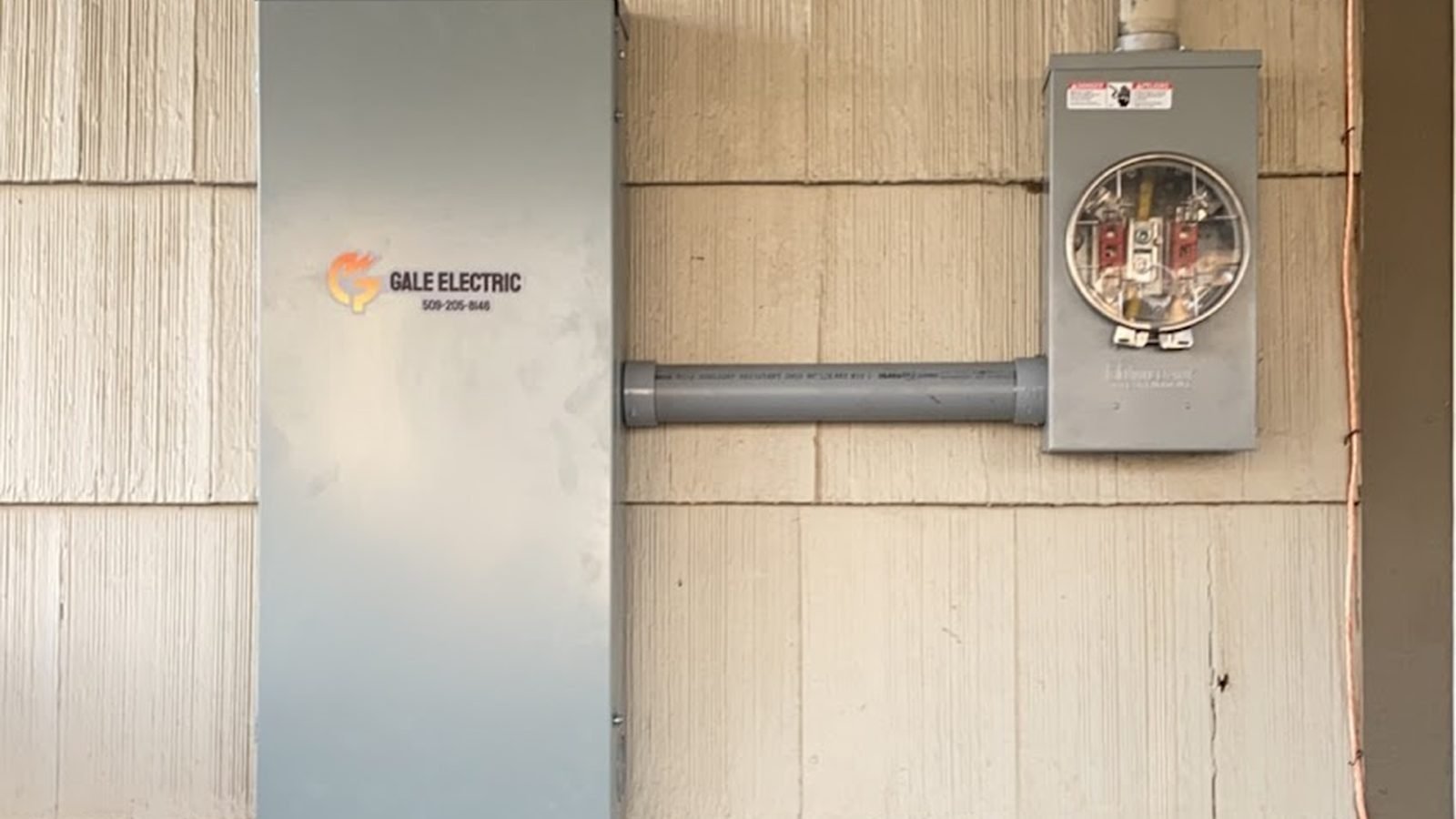
Out of breaker space for a heat pump, shop, or EV charger? Gale Electric upgrades residential panels across the
See details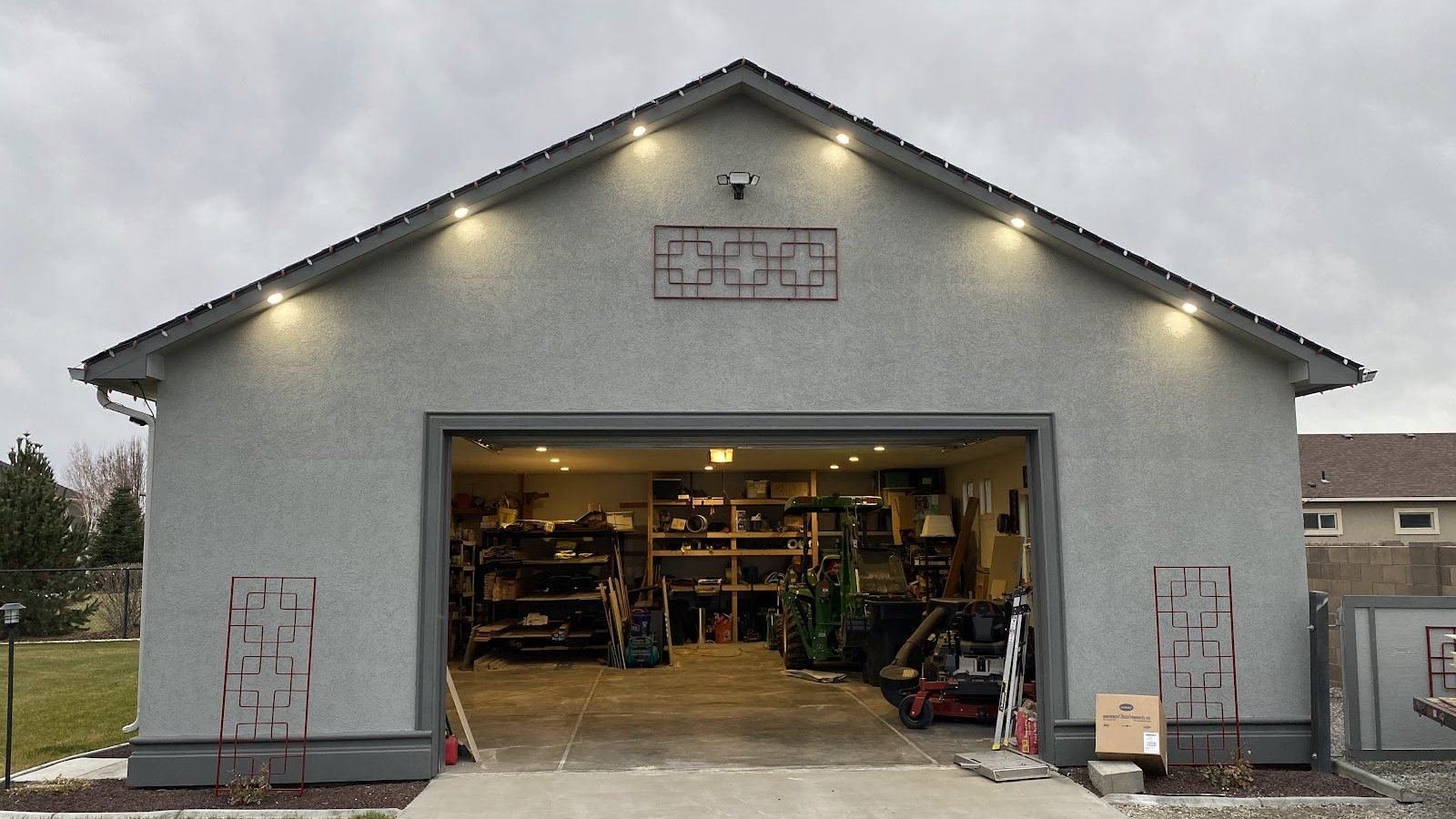
Shop and garage wiring in the Tri-Cities. Subpanels, 240 volt tool circuits, lighting, and detached building fee
See detailsBreaker trips when the microwave and toaster run together? Gale Electric installs dedicated appliance circuits a
See detailsFree estimates across the Tri-Cities. Call Kyle and the crew, or send the details and we will come look.
We use cookies for basic analytics and to see which ads bring people here. No personal data is sold. Privacy policy