
Fan wobbles at any speed
Wobble is usually an unbalanced blade set or a box that flexes. A box that moves is the serious version, because that is the mounting working itself loose over time.
A ceiling fan puts roughly 35 pounds of spinning, vibrating weight on the ceiling, and a standard light fixture box was never built for that. The most common thing we correct on fan calls is a fan hung on a box with no fan rating. We install a listed fan-rated box, balance the blade set, and the wobble goes away.
Wobble is usually an unbalanced blade set or a box that flexes. A box that moves is the serious version, because that is the mounting working itself loose over time.
Standard octagon boxes are not rated for the dynamic load of a fan. NEC 314.27(C) requires a box listed and marked for fan support when the box is the only support.
Noise from the housing often means a failing capacitor or a worn motor bearing. On an older fan, replacement is usually more sensible than chasing parts.
Adding a fan to a bedroom with no ceiling fixture means running a circuit and a switch leg. It is very doable, and it needs a plan for how the wire gets there.
Blades need room to move air, and at least seven feet of clearance above the floor. Flush mounts on low ceilings and long downrods on vaulted ones solve two different problems.
A ceiling fan is a dynamic load. It does not simply hang there, it vibrates and applies rotational force to its mounting for years on end. NEC 314.27(C) requires that outlet boxes used as the sole support of a ceiling fan be listed and marked for that use. Listed fan boxes support 35 pounds, with higher ratings marked on boxes made for heavier fans. A regular light box was never tested for any of this and should not carry one.
In a room with attic access above, replacing a light box with a fan-rated brace box is straightforward work. Without attic access, an expandable brace bar goes in through the existing hole, spans between the joists, and the box mounts to the bar. Either way the result is a box tied to structure instead of to drywall. If we open a ceiling and find a fan screwed to a plastic light box, we replace the box before doing anything else.
Blade height matters more than most people expect. Blades should sit at least seven feet above the floor for safety and generally eight to nine feet for the best airflow, which is why an eight foot ceiling wants a flush or hugger mount and a vaulted ceiling wants a downrod. Blade tips also need clearance from walls and from sloped ceiling surfaces, roughly a foot and a half, so the fan is not fighting a surface on every rotation.
Fan diameter should match the room. A small bedroom is served well by a 42 to 52 inch fan, and a large living room or great room wants 56 inches or more, sometimes two fans rather than one oversized one. An oversized fan in a small room creates a draft instead of comfortable air movement. On a sloped ceiling the canopy has to be rated for the slope angle, and steep vaults need a specific adapter rather than just a longer rod.
Fans cool people, not rooms. Moving air across skin speeds up evaporative cooling, so a room feels several degrees cooler than the thermostat reads even though the air temperature has not changed at all. That means running a fan in an empty room does nothing except add a little motor heat. It also means the fan lets you sit comfortably at a higher thermostat setting through a stretch of 100 degree days, which is where the real benefit shows up.
Direction matters seasonally. In summer the fan should turn counterclockwise viewed from below, pushing air down and creating the breeze you want. In winter, reverse it to clockwise on low speed to pull air up through the middle and push warm ceiling air down the walls without a draft. Most fans have a small slide switch on the housing, and newer DC-motor fans handle it from the remote. We show you which is which before we go.
Wiring a fan with a light usually needs two switch legs, one for the motor and one for the light, which means a three-conductor cable between the switch box and the fan. Older rooms often have only a two-conductor run, so the options are a remote or a wall control that separates the two over the existing wiring, or pulling new cable. Fan speed cannot run through a standard incandescent dimmer, and doing that damages the motor.
Putting a fan where there has never been a fixture means running a new circuit or extending an existing one, plus a switch leg to control it. In a single-story house with attic access that is routine work. On a lower floor with finished ceilings above, the wire has to be fished, and the practical route depends entirely on how the framing runs. We look at the actual ceiling before quoting, because the answer varies a lot house to house.
Before anything comes down we verify whether the box is fan rated and tied to structure, and whether the wiring supports the controls you want.
A listed fan-rated box or brace bar goes in, anchored to framing and sized for the weight of the specific fan being hung.
The fan is assembled with the right downrod length for the ceiling height, hung, and wired for the switch or remote setup you chose.
We run every speed, balance the blade set if it wobbles, verify the reverse switch, and pair the remote before cleaning up.
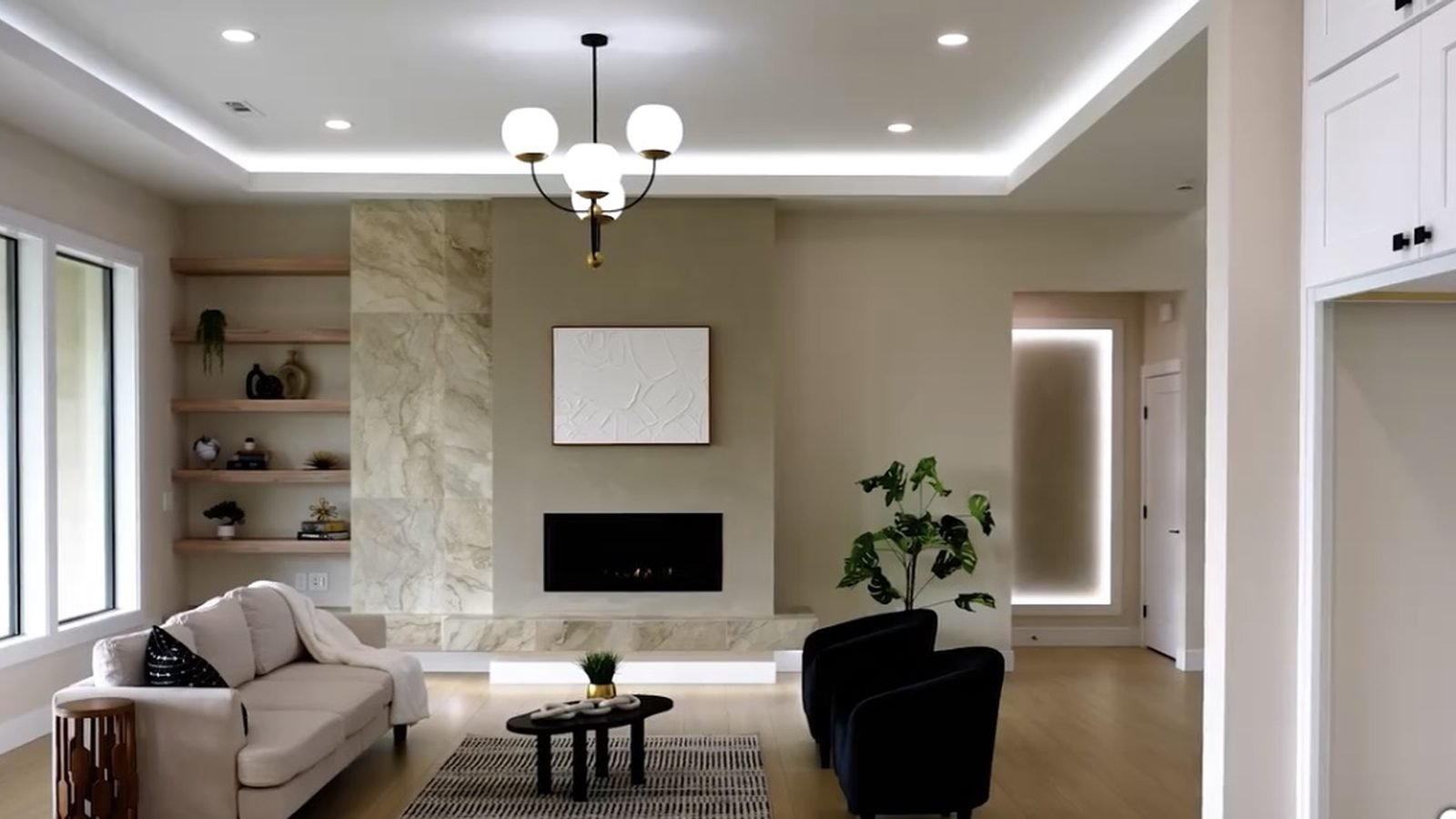
Switch and dimmer installation across Kennewick, Richland and Pasco. LED-compatible dimmers, 3-way switches, sma
See details
Breaker trips when the microwave and toaster run together? Gale Electric installs dedicated appliance circuits a
See detailsRecessed lighting installed in Kennewick, Richland and Pasco homes. IC-rated LED cans, correct spacing, dimming
See detailsFree estimates across the Tri-Cities. Call Kyle and the crew, or send the details and we will come look.
We use cookies for basic analytics and to see which ads bring people here. No personal data is sold. Privacy policy