
Dimmer only works at the top
LED loads that drop out at the bottom of the dial are usually on a forward-phase dimmer meant for incandescent. A reverse-phase or LED-rated dimmer with an adjustable low-end trim fixes it.
Most dimmer problems are compatibility problems. LED lamps draw a fraction of the current an incandescent bulb did, and a dimmer built for the old load will buzz, flicker or refuse to go low. We match the dimmer to the driver, check whether the switch box has a neutral, and set the low-end trim so the lights behave the way you expected them to.
LED loads that drop out at the bottom of the dial are usually on a forward-phase dimmer meant for incandescent. A reverse-phase or LED-rated dimmer with an adjustable low-end trim fixes it.
That hum is the dimmer chopping the waveform in a way the LED driver does not like. It is a compatibility mismatch, and it will not improve on its own.
Dimmers dissipate heat and are derated when ganged in a multi-gang box. A warm plate can mean the heat fins were removed without derating, or the load exceeds the device rating.
When only one of a pair works, either the traveler wiring or one device has failed. Both switches and the wiring between them have to be checked as a set.
Worn contacts inside the switch arc every time you flip it. That arcing pits the contacts further and eventually welds them together or fails them open.
Older houses were commonly wired with switch loops, where only the hot and the switched hot run down to the switch box and the neutral stays up at the fixture. That was legal and normal for decades. It becomes a problem now because most smart switches and many electronic dimmers need a neutral to power their own electronics continuously. Open the plate on a 1950s Richland house and there is a good chance no white conductor is present in that box at all.
There are three ways forward. Pull a neutral from the fixture down to the switch, which is easy if the wall is open or the run is short and accessible. Use a device rated to work without a neutral, which several manufacturers make and which works with most but not all LED loads. Or move the control to a box that does have a neutral. NEC 404.2(C) has required a grounded conductor at most new switch locations since the 2011 cycle, so newer construction usually has one.
Dimmers control the load by cutting part of each AC cycle. Forward-phase dimming, often called TRIAC, was designed around incandescent filaments and works with magnetic low-voltage transformers. Reverse-phase dimming, often labeled ELV, is gentler and is what most electronic LED drivers and electronic low-voltage transformers want to see. Putting a set of LED retrofit lamps on a forward-phase dimmer built for 600 watts of incandescent is the single most common cause of the flicker and buzz people call us about.
Manufacturers publish compatibility lists that pair specific lamps and drivers with specific dimmers, and we use them. We also check the minimum load. A dimmer rated for 250 watts of LED may still need a minimum wattage on the circuit to operate correctly, so three small LED cans on an oversized dimmer can behave worse than a full room of them. Getting the pairing right the first time is cheaper than buying two dimmers and paying for a second visit.
A three-way circuit uses two switches and a pair of travelers between them so either location can change the state of the light. Add a four-way switch in the middle and you can control the same fixture from three or more places. The wiring is straightforward but unforgiving. Land a traveler on the common terminal and the circuit works from one switch and not the other, which is exactly the symptom most people describe when they call about a hallway light.
Dimming a three-way circuit adds a rule. In a standard three-way dimming setup, only one location can be the dimmer and the other has to be a matching companion or a plain three-way switch, unless you are using a system designed for dimming from multiple points. Smart systems handle this differently, by putting a wireless companion at the second location. We sort out which approach fits the box, the existing wiring and how you actually use the room.
Smart lighting fails in homes for predictable reasons. The switch has no neutral and drops offline. The Wi-Fi does not reach the far end of a house with plaster walls and Hanford-era construction. Or the homeowner installs smart bulbs behind a smart switch, so cutting power at the wall takes the bulbs offline and nothing responds. Deciding whether the intelligence belongs in the switch or in the bulb is the first decision, and it should be made room by room.
For most Tri-Cities homes, a switch-based system in the main living areas holds up better than bulb-based control, because it keeps working from the wall for anyone who does not have the app. Systems that use their own radio hub instead of household Wi-Fi are more reliable over distance. We install what you buy, and if you want a recommendation before you buy, ask before the appointment so we can bring the right parts with us.
We pull the existing device and confirm what is there: neutral present, ground present, single-pole or three-way, box depth and gang count.
We identify the lamps or drivers on the circuit so the dimmer is matched to what it is actually controlling, not to what used to be on it.
Devices land on screw terminals, connections are made up properly, and the low-end trim is adjusted so the lights come on at the bottom of the dial without flicker.
Three-way and four-way circuits get tested from every location, and smart devices get paired, named and handed over working.
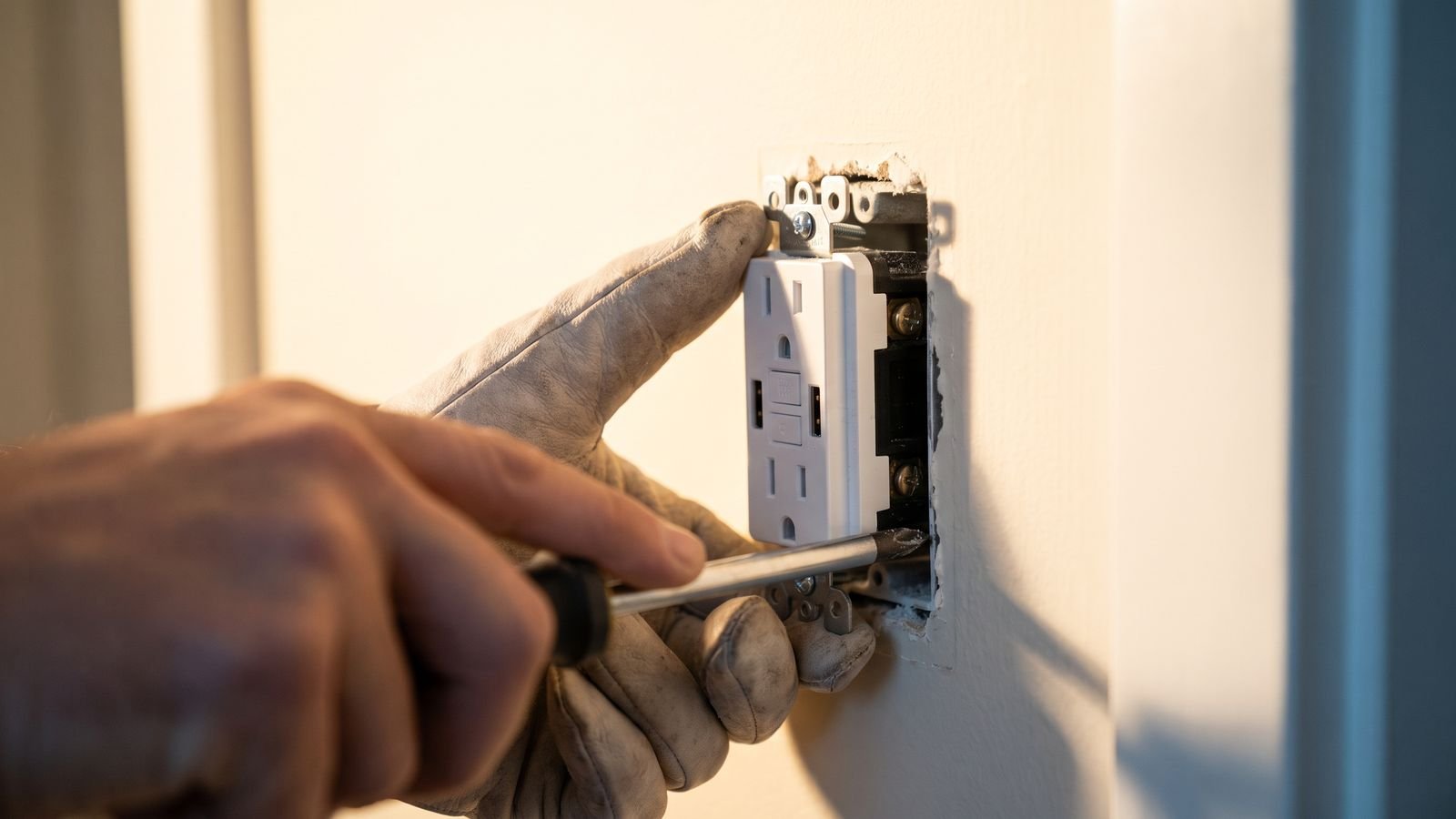
Dead outlet, loose plug, or need one where there is none? Gale Electric installs and repairs outlets in Kennewic
See details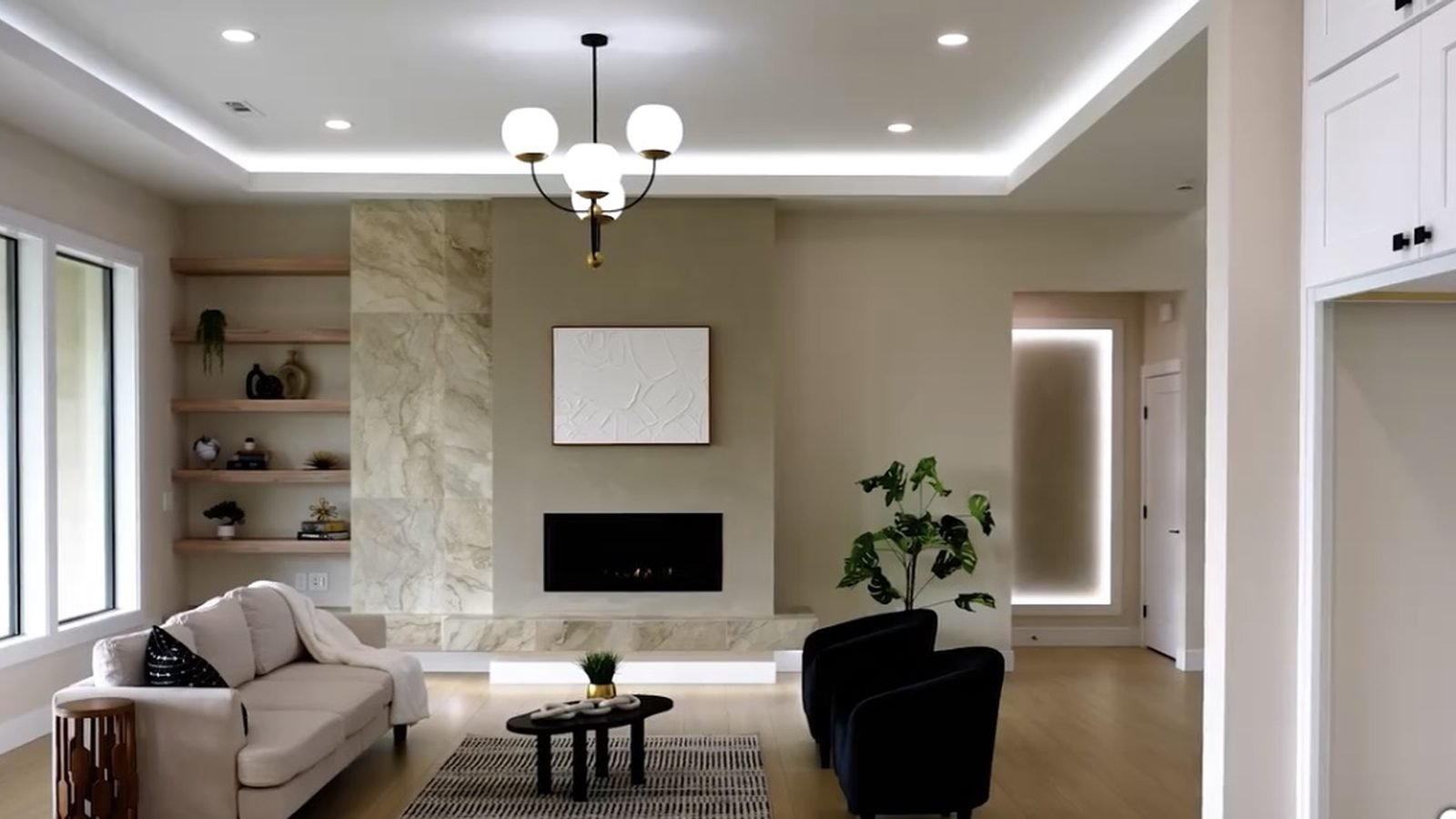
Recessed lighting installed in Kennewick, Richland and Pasco homes. IC-rated LED cans, correct spacing, dimming
See details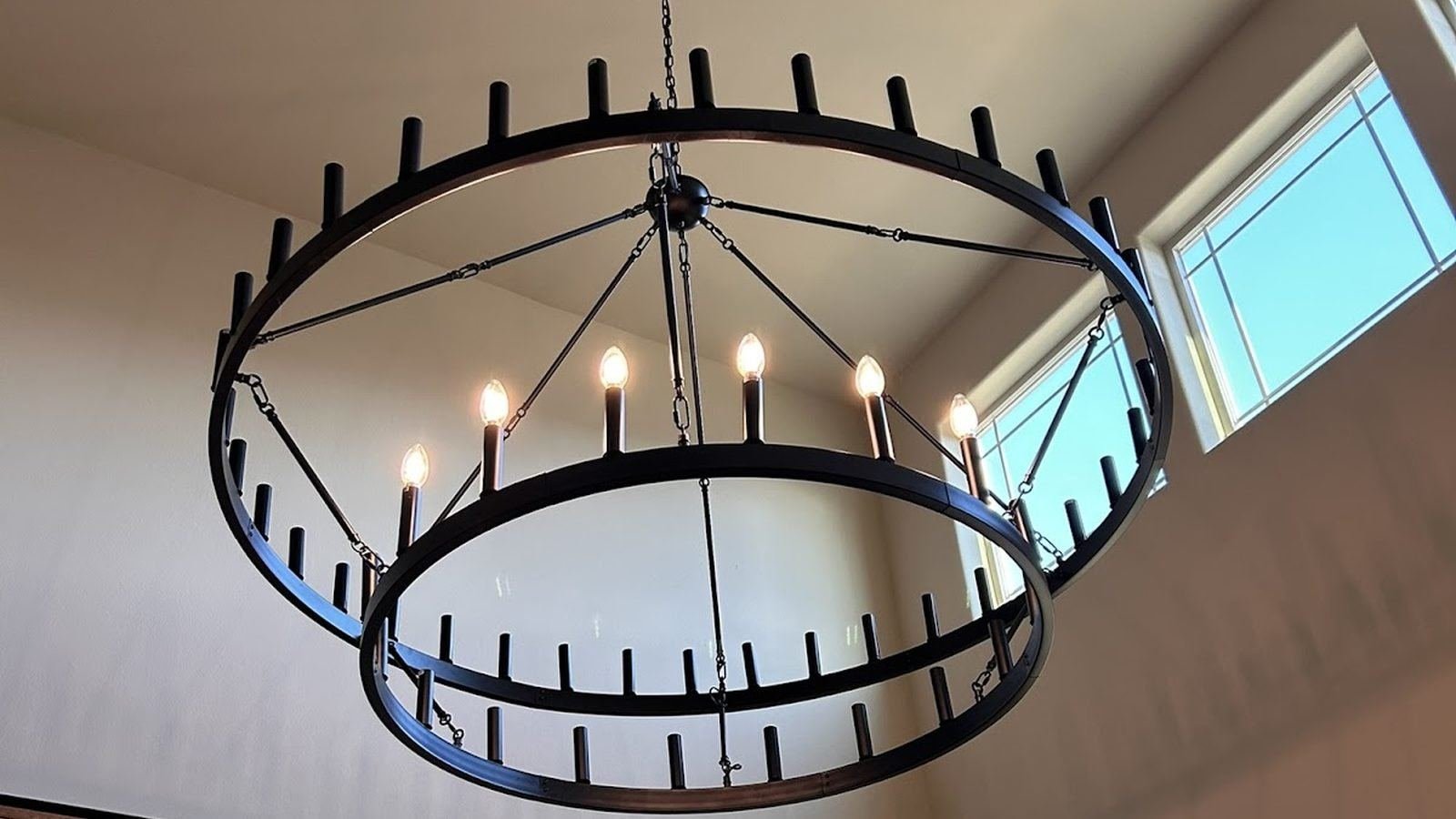
Whole-home lighting design for Tri-Cities builds and remodels. Layered ambient, task and accent light planned be
See detailsFree estimates across the Tri-Cities. Call Kyle and the crew, or send the details and we will come look.
We use cookies for basic analytics and to see which ads bring people here. No personal data is sold. Privacy policy