
Mobile Connector is not keeping up
Charging from a 120 volt outlet with the mobile cable adds only a few miles per hour. If you leave each morning with less range than you want, the circuit is the limit.
The Tesla Wall Connector is hardwired, adjustable up to 48 amps, and rated for outdoor mounting. It is a good unit, and most of the work is not the unit. It is the load calculation, the circuit, the conduit run and the permit. We set the amperage during commissioning to match what your service can actually carry, so nothing trips at two in the morning.
Charging from a 120 volt outlet with the mobile cable adds only a few miles per hour. If you leave each morning with less range than you want, the circuit is the limit.
A 60 amp circuit is a significant addition. If the panel is full or the service is 100 amps, that gets resolved before the charger goes on the wall.
The Wall Connector is rated for outdoor installation, which makes a driveway or carport mount practical when there is no garage wall to use.
The Wall Connector supports power sharing across multiple units on one circuit, which is usually cheaper than running a second 60 amp circuit.
Unpermitted 240 volt work is a resale and insurance problem. It can be inspected and corrected, and that is worth doing well before you list the house.
The Tesla Wall Connector is a hardwired unit. There is no plug version, so the branch circuit lands directly inside the unit rather than in a receptacle. It needs line 1, line 2 and a ground, and it does not require a neutral, which simplifies the conductor run. Output is adjustable, and the 48 amp maximum requires a 60 amp circuit, because EV charging is a continuous load and gets sized at 125 percent under NEC 625.41.
The unit is rated for outdoor mounting and comes with a long cable, which gives real flexibility on placement. Practically, the mounting position should let the cable reach the charge port from how you actually park, including the days you back in instead of pulling forward. We walk that with you before drilling anything, because moving a hardwired unit afterward means patching the wall and rerouting conduit that was already run and sealed.
48 amps is the maximum, not the requirement. The Wall Connector is commissioned to a specific amperage during setup, and it can be set down to match a 50 amp or 40 amp circuit when that is what the service supports. The load calculation decides this. NEC 220.83 covers the calculated method for adding load to an existing dwelling, and NEC 220.87 allows the use of measured maximum demand from the prior year, which often shows more headroom than the calculation does.
Conductor size follows the breaker. A 60 amp circuit typically uses 6 AWG copper at 75 degree termination ratings, and a long run may need to go up a size to hold voltage drop in range. If the run is outdoors, underground, or through an unconditioned attic, ambient temperature correction enters the calculation too. These are the details that separate an install that passes inspection from one that comes back with a correction notice.
Wall Connectors can be linked so several units share one circuit, distributing the available current between whichever vehicles are plugged in at the time. For a two-Tesla household that is usually a better answer than running a second 60 amp circuit, because it avoids doubling the continuous load on the service. Both cars charge overnight, just at a shared rate, and neither one needs the full 48 amps to be ready by morning.
Setting this up correctly means commissioning the units together and configuring one of them as the lead. The circuit still has to be sized for the total, so this is about not needing two circuits rather than getting more power out of one. If you have a Tesla and a non-Tesla EV, the standard connector is NACS, and Tesla also sells a universal version with a J1772 connector. Tell us which vehicles before the appointment.
This is permitted work. In most of Benton and Franklin County the permit and inspection go through Washington L&I, and the City of Richland runs its own electrical inspection program inside city limits. We pull the permit and we are on site for the inspection. A 60 amp continuous circuit in an attached garage is exactly the kind of work that should be verified by someone other than the person who installed it, and it protects you at resale.
Commissioning happens once the circuit is energized. The unit connects to Wi-Fi, the installed breaker size gets selected in setup so the unit limits itself correctly, firmware is updated, and we charge the vehicle to confirm the actual delivered rate. Skipping the amperage selection is the most common commissioning error, because a unit left at a default above what the circuit supports will trip the breaker in the middle of the night.
We check the panel, service size and existing loads, then calculate under NEC 220.83 or NEC 220.87 to find the largest circuit we can support.
We confirm where the unit goes based on how you park, cable reach, and the cleanest conduit route back to the panel.
Breaker, conductors and conduit go in at the calculated size, and the Wall Connector is mounted and terminated.
Wi-Fi setup, breaker size selection, firmware update, and a real charging session to confirm the delivered rate before we leave.
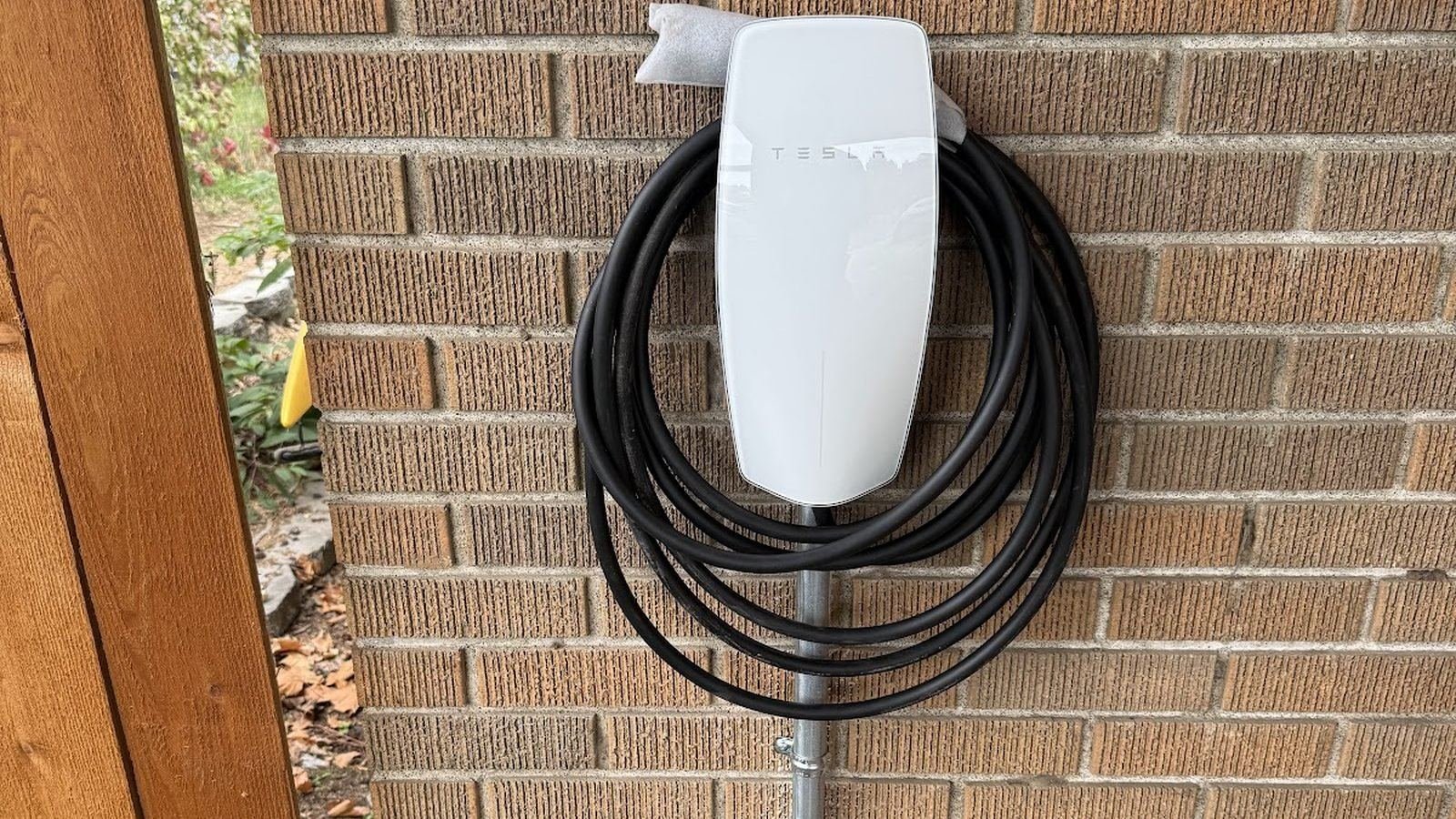
Level 2 EV charger installation in Kennewick, Richland and Pasco. Load calculations, 40A to 60A circuits, permit
See details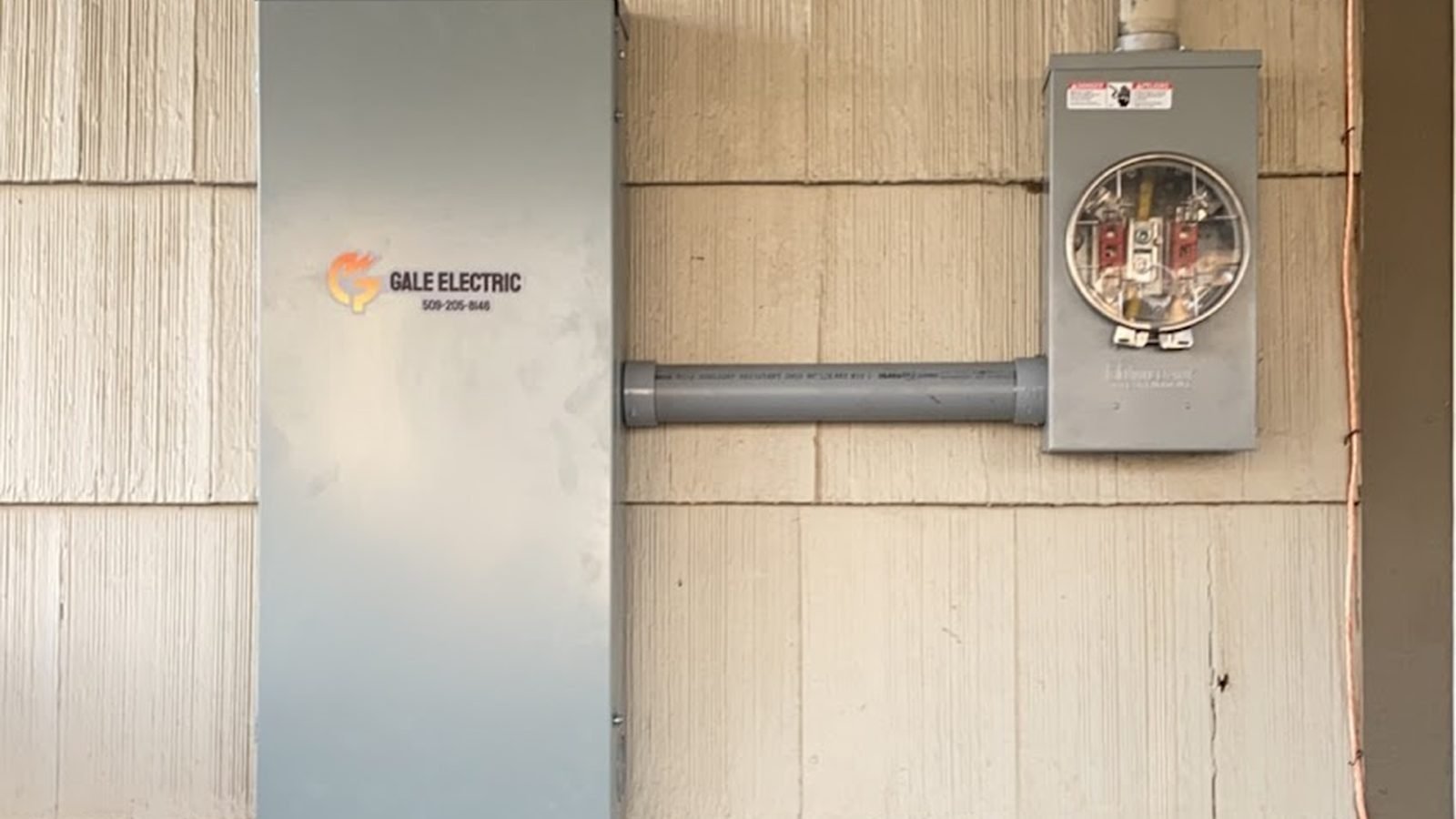
Out of breaker space for a heat pump, shop, or EV charger? Gale Electric upgrades residential panels across the
See detailsOut of breaker spaces but not out of power? A sub panel adds circuits for a shop, garage, or addition. Gale Elec
See detailsFree estimates across the Tri-Cities. Call Kyle and the crew, or send the details and we will come look.
We use cookies for basic analytics and to see which ads bring people here. No personal data is sold. Privacy policy