
Main breaker trips in summer
A main breaker that trips under full air conditioning load is telling you the service is undersized, not that the breaker is bad. Replacing the breaker without fixing the load moves the failure somewhere less obvious.
A 200 amp service is not a luxury upgrade anymore. It is what a Tri-Cities house needs once a heat pump, a shop, and a car charger are all on the same meter. Gale Electric handles the load calculation, the meter base, the permit, and the utility coordination from one phone number. Kyle Gale runs the work himself, quotes it up front, and tells you if 200 amps is more than your house will ever use.
A main breaker that trips under full air conditioning load is telling you the service is undersized, not that the breaker is bad. Replacing the breaker without fixing the load moves the failure somewhere less obvious.
A Level 2 charger typically wants a 40 to 60 amp circuit running for hours at a time. On a 100 amp service that competes directly with heating, cooling, and the dryer, and the load calculation usually says no.
HVAC contractors regularly find the panel cannot carry the new equipment. Getting the service upgraded first keeps the heating install on schedule instead of stalling it a week before the permit inspection.
A shop with a compressor, a welder, and heat needs a feeder of its own. That feeder has to fit inside the total service capacity, and 100 amps rarely leaves room for it once the house is counted.
A meter base pulling away from the wall or showing corrosion at the hub is a weather and arcing problem. It is usually replaced along with the service, since both are already being disconnected.
Two hundred amps at 240 volts is 48 kilowatts of theoretical capacity. Nothing uses that all at once, which is why NEC Article 220 applies demand factors instead of adding nameplate ratings. In practice, a 200 amp service comfortably carries a 4 ton heat pump, an electric range, an electric dryer, a water heater, a hot tub, and a Level 2 car charger, with room left for a shop subfeed. A 100 amp service running the same list is out of capacity before the shop is even framed.
The upgrade is more than a bigger main breaker. The service entrance conductors, the meter base, the mast or lateral, the grounding electrode system, and the panel all get sized to the new rating. Skipping any one of those leaves a bottleneck that the label on the door hides. When Kyle quotes a 200 amp upgrade, every one of those components is listed on the estimate so you can see exactly what is being replaced and what is staying.
Before anything gets ordered, the house gets calculated. Conditioned square footage sets the general lighting and receptacle load. Then the fixed appliances get added: range, dryer, water heater, dishwasher, disposal, well pump, irrigation controller. Heating and cooling are compared and the larger of the two is counted, since a house in Kennewick is not running the furnace and the air conditioner in the same hour. The result is a number in amps that either justifies the upgrade or does not.
That calculation goes on the permit and gets reviewed by the inspector, so it is not a formality. It also protects you. If your house calculates at 88 amps and you have simply run out of breaker spaces, the honest fix is a sub panel for a fraction of the cost of a service upgrade. Kyle will say that out loud. Selling a service upgrade to somebody who needs a sub panel is how an electrician gets one job from a family instead of ten.
Any service upgrade involves the utility, because the conductors ahead of your meter belong to them. Kennewick, West Richland, Benton City, Prosser, and Finley addresses go through Benton PUD. Pasco and Burbank go through Franklin PUD. Richland inside city limits is served by the city utility. Each has its own paperwork, its own lead time for a disconnect, and its own requirements for meter base height and clearance. Gale Electric handles that side of it so you are not on hold explaining an electrical detail.
On overhead services, the utility drop may also need to be reattached to a new mast and weatherhead. On underground services, the existing lateral is checked for adequate ampacity before anything is promised. Occasionally the utility conductor itself is the limiting factor, and that becomes a utility scheduled item rather than something an electrician can finish in a day. You will hear about that possibility during the estimate, not after the panel is already off the wall.
Crew arrives in the morning, confirms the outage window, and pulls the meter with utility authorization. The old panel comes off, new service conductors are run to the meter base, the new 200 amp panel is mounted, and existing branch circuits are transferred one at a time and labeled as they land. Arc fault and ground fault protection is added where current code requires it for the circuits being reconnected. Terminations get torqued with a calibrated wrench, which is a code requirement most people never see enforced.
Grounding is rebuilt to current standards: two driven ground rods where soil conditions require the second, a proper grounding electrode conductor, and bonding to the metal water and gas piping. The inspector checks the work before the cover goes on permanently. Once the utility reconnects, Kyle powers circuits up in sequence, checks voltage under load, and walks the finished panel with you so you know which breaker feeds what.
Kyle measures the house, inventories the fixed appliances and HVAC equipment, and runs an Article 220 calculation. You get a written price with the meter base, conductors, and grounding itemized.
The electrical permit is filed with L&I or the City of Richland, and the disconnect and reconnect are scheduled with Benton PUD, Franklin PUD, or the Richland utility.
Meter base, service conductors, mast or lateral connection, panel, and grounding electrode system all get installed and sized to 200 amps in one visit.
The inspector reviews the work, the utility reconnects power, and every circuit is tested under load and labeled before the job is called done.
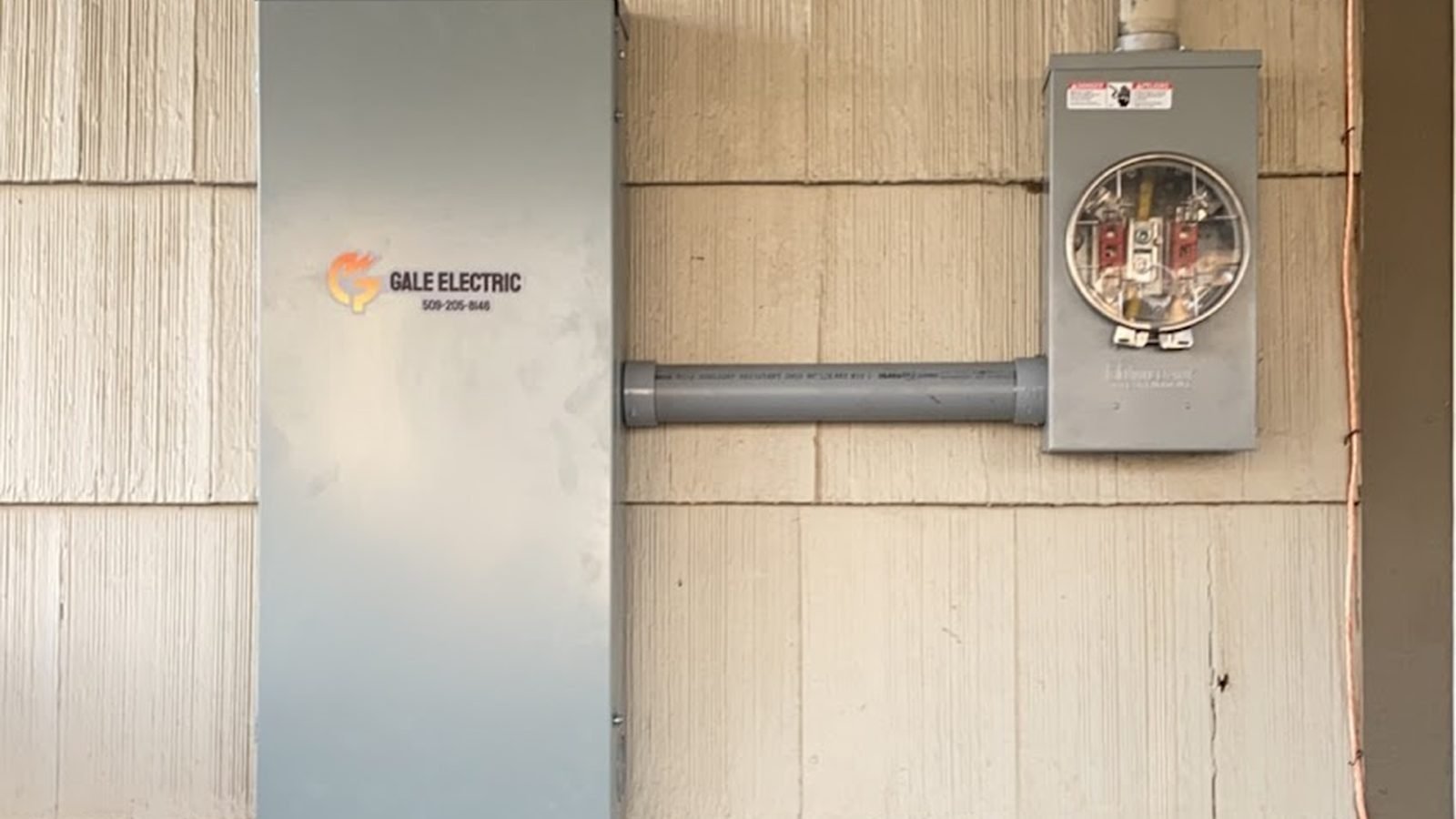
Out of breaker space for a heat pump, shop, or EV charger? Gale Electric upgrades residential panels across the
See details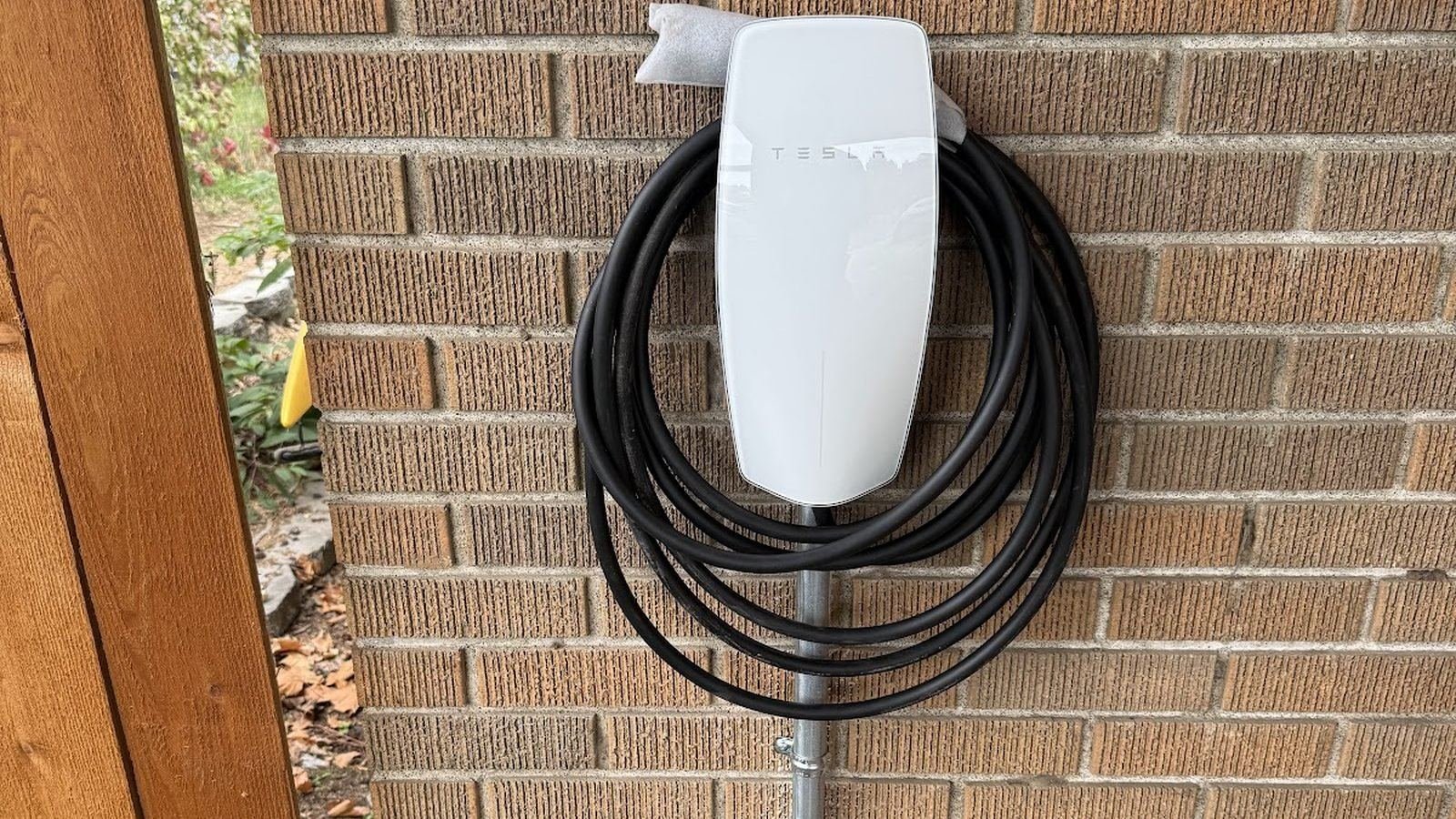
Level 2 EV charger installation in Kennewick, Richland and Pasco. Load calculations, 40A to 60A circuits, permit
See detailsOut of breaker spaces but not out of power? A sub panel adds circuits for a shop, garage, or addition. Gale Elec
See detailsFree estimates across the Tri-Cities. Call Kyle and the crew, or send the details and we will come look.
We use cookies for basic analytics and to see which ads bring people here. No personal data is sold. Privacy policy