
Lights dim when tools start
That is voltage drop under motor inrush. The circuit feeding the shop is undersized for what you are asking it to do.
Most home shops run on one 20 amp circuit shared with the garage door opener and a freezer, which is why the lights dim every time the compressor kicks on. Getting it right means a properly sized subpanel, a feeder that meets the rules for a detached building, 240 volt outlets where the machines live, and lighting you can actually work under.
That is voltage drop under motor inrush. The circuit feeding the shop is undersized for what you are asking it to do.
A table saw, a dust collector, and a heater on one 20 amp circuit is more load than it was ever built for.
Stick and MIG welders need a dedicated 240 volt circuit sized to the machine, not an adapter on the dryer plug.
Extension cords feeding a detached building are a temporary fix that becomes permanent, and they are not legal as a supply.
A single fixture leaves you working in your own shadow. Layout matters more than lumens in a shop.
The first question is what actually runs at the same time. A woodworking shop with a table saw, a dust collector, and lighting has a very different profile than a garage with a welder, a compressor, and a car lift. We do a load calculation from the equipment nameplates and the way you work, then size the feeder to that. Sixty amps handles a lot of home shops. A hundred amps is the common answer when a welder, a mini split, and future equipment are in the picture.
The other half of that conversation is the house panel. Feeding a shop pulls from the same service that runs the air conditioner and the range, so we check whether the existing service has the capacity before promising anything. On the older 100 amp services in Richland and central Kennewick, adding a real shop feed often means the service upgrade comes first. We say that at the estimate, with the number attached, so you can plan the project as a whole instead of in surprises.
A detached shop is treated as a separate structure, and NEC 250.32 requires its own grounding electrode system, normally ground rods driven at the building. The feeder runs four wires, two ungrounded conductors plus a neutral and an equipment grounding conductor, and the neutral and ground bars in that subpanel stay separated. This is the single most common mistake we find in owner-installed shop panels, and a bonded neutral out there puts current on the ground path where it does not belong.
The building also needs a disconnecting means, so power to the whole structure can be killed at the shop rather than only back at the house. Underground work follows NEC Table 300.5, which sets 18 inches of cover for PVC conduit and 24 inches for direct-buried cable. In this soil, trenching is usually straightforward, but we walk the route for sprinkler lines, septic, and the gas service before a shovel goes in the ground.
Receptacle placement should follow the bench, not the wall studs. We put duplex outlets at bench height every few feet along the work wall so nothing gets daisy-chained through a power strip, and we split them across circuits so a saw and a shop vac are not fighting each other. Dedicated circuits go to the compressor and the dust collector, because both draw hard on startup and both are the reason the lights blink. Welders and plasma cutters get their own 240 volt circuits sized to the machine's nameplate.
Lighting is where a shop stops feeling like a garage. LED strips or high bays laid out in rows, positioned so the fixtures are not directly behind you at the bench, remove the shadow problem that a single center fixture creates. Cold weather rating matters for an unheated building in January. So does GFCI protection, which NEC 210.8 requires for 125 volt receptacles in garages and accessory buildings, and a freezer out there wants its own arrangement so a nuisance trip does not cost you a season of meat.
Almost nobody adds shop power once. The second call is usually a mini split, because a Tri-Cities shop hits well past 100 degrees in July and becomes unusable, and after that it is an EV charger, a heater, or a lift. Every one of those is cheap to plan for and expensive to retrofit. Running a slightly larger feeder and leaving spaces open in the subpanel costs very little at install time and saves a second trench later.
That is the conversation Kyle would rather have at the estimate. Tell us what you might do out there in the next five years, even if it is a maybe. We will size the feeder and the panel with that headroom in mind and tell you plainly what the extra capacity costs today versus what adding it later would run. If the honest answer is that you do not need the bigger feed, that is what you will hear.
We list what you run, what runs at the same time, and what you plan to add, then calculate the load from nameplates.
The existing panel and service get evaluated for capacity and space before we promise a feeder size.
Conduit at code depth, four-wire feeder, ground rods at the structure, subpanel and building disconnect mounted and labeled.
Receptacles and 240 volt outlets placed around your bench and machines, lighting laid out, then permit inspection and walkthrough.
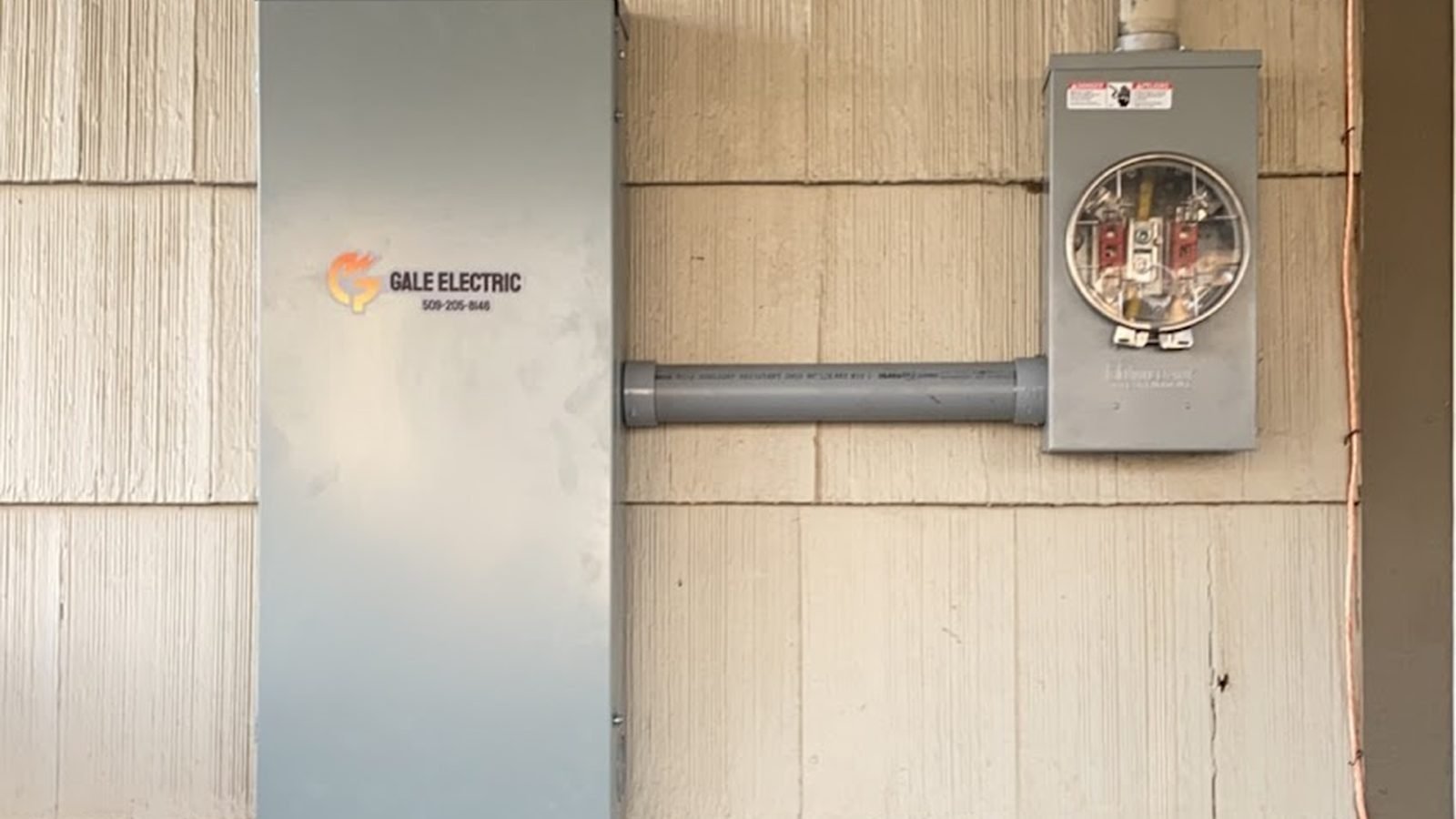
Out of breaker spaces but not out of power? A sub panel adds circuits for a shop, garage, or addition. Gale Elec
See detailsBreaker trips when the microwave and toaster run together? Gale Electric installs dedicated appliance circuits a
See details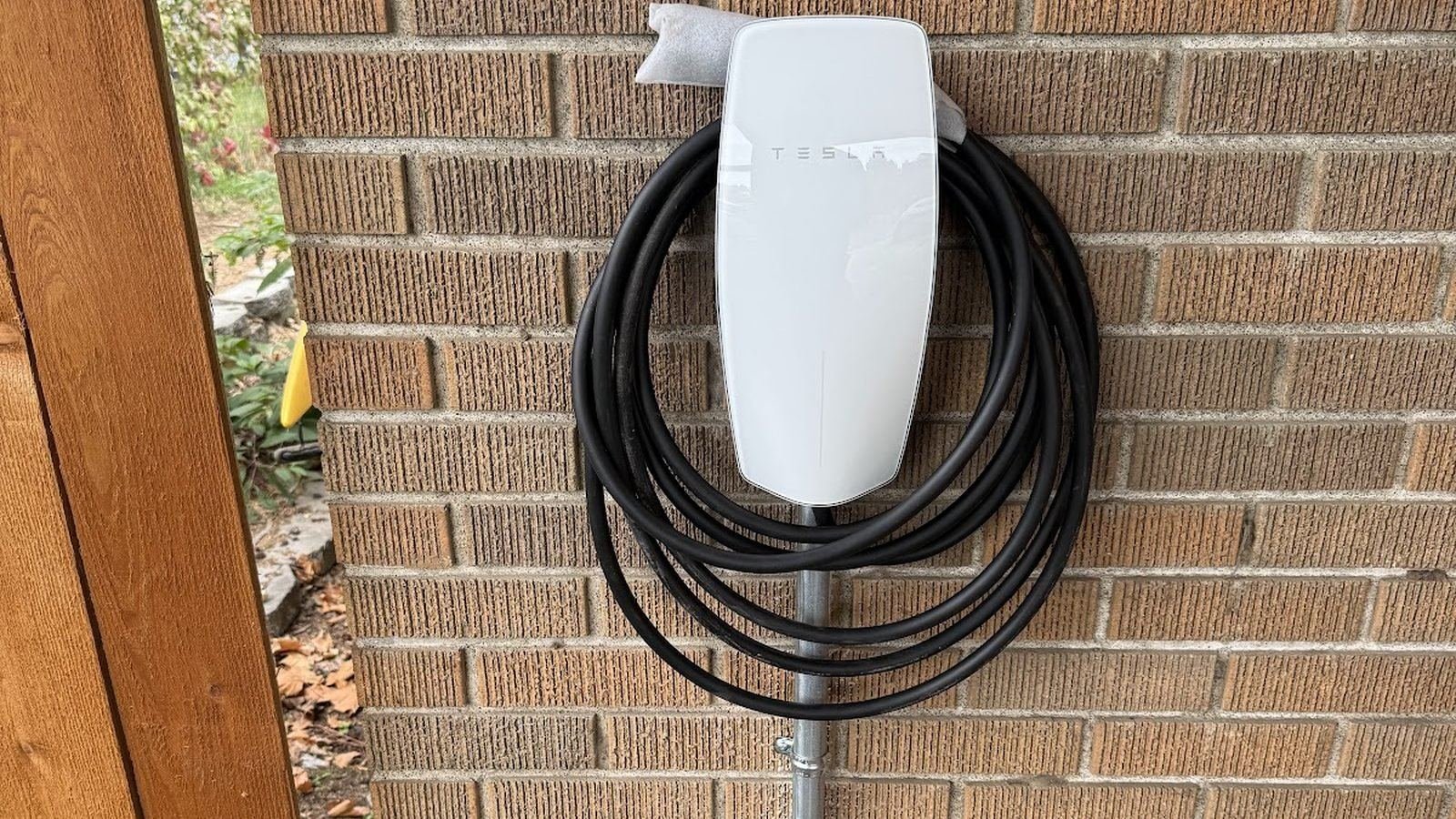
Level 2 EV charger installation in Kennewick, Richland and Pasco. Load calculations, 40A to 60A circuits, permit
See detailsFree estimates across the Tri-Cities. Call Kyle and the crew, or send the details and we will come look.
We use cookies for basic analytics and to see which ads bring people here. No personal data is sold. Privacy policy