
You run extension cords
Cords through a window to the freezer and a lamp work until they do not. A switch puts the generator on real circuits.
A transfer switch is the piece that makes generator power safe and legal. It guarantees your generator and the utility can never feed the panel at the same time, which is what protects the crews working to restore your street. We install automatic switches for standby units, manual switches and inlet boxes for portables, and listed interlock kits where the panel supports one. Every install is permitted and inspected.
Cords through a window to the freezer and a lamp work until they do not. A switch puts the generator on real circuits.
That cord energizes every exposed prong and can backfeed the street. It is the single most dangerous thing people do with a generator.
Standby units do nothing without transfer equipment. The switch is what senses the outage and moves your load.
Most people stop dragging the generator out because hooking it up is a chore. An inlet box turns it into a two minute job.
A hardwired furnace or heat pump has no plug. It can only be backed through transfer equipment at the panel.
When a generator feeds a house that is still connected to the utility, current goes both directions. It travels back through the service, into the pole transformer, and steps up on the line a crew may be working on with the section grounded and tagged. That is how backfeed kills people. The transfer switch physically breaks the utility connection before the generator connection can close, so the two sources cannot touch. Nothing about the wiring is optional here, and no clever cord substitutes for it.
Washington code requires listed transfer equipment for this exact reason. NEC Article 702 covers optional standby systems, and 702.5 requires the transfer equipment to prevent inadvertent interconnection of the two sources. Inspectors look for it. Insurance adjusters look for it after a fire. A permitted switch also means somebody other than the installer put eyes on the work, which is worth having on a system you will only use under stress, at night, in the middle of a storm.
An automatic transfer switch does the whole job by itself. It watches the utility, signals the generator to start, waits for the engine to stabilize, moves the load, and reverses the sequence when power returns. That is what pairs with a permanently installed standby generator. Service-rated versions sit between the meter and the panel and carry the entire house, so nothing has to be sorted into essential and non-essential. It is the most convenient option and the most expensive one.
For a portable generator, the two honest options are a manual transfer switch or a listed interlock kit. A manual switch is a small subpanel holding six to twelve circuits you pick, each with its own utility and generator position. An interlock is a sliding metal plate on your existing panel that makes it physically impossible to close the main breaker and the generator breaker together. Interlocks are cheaper and give you access to every circuit, but only certain panels have a listed kit available.
With a manual switch, the circuit list is the whole design, and it is worth thinking about before install day rather than during it. The usual picks in Tri-Cities homes are the furnace or air handler, the refrigerator, a kitchen counter circuit, the well pump, a bathroom, the garage door opener, and the lighting circuits people actually use after dark. A 240 volt load like a well pump or a heat pump takes two positions on the switch, which is why circuit counts run out faster than homeowners expect.
The reality most people run into is summer. A portable generator in the 5 to 8 kilowatt range will carry a furnace fan, a refrigerator, and lights all night without complaint. It will not start a central air condenser. If cooling during a July outage is the goal, that pushes you toward a larger portable with a soft starter on the condenser, or toward a permanently installed standby unit. We will tell you which one your situation calls for before you spend money on the wrong switch.
The panel has to be dead while we work, so plan on power being off for a few hours. We mount the switch or the interlock, move the selected circuits over, run conduit to the inlet box, and land the conductors. The inlet box goes on an exterior wall in a weatherproof enclosure, positioned so the generator can sit outside on a hard surface with its exhaust pointed away from the house and away from any window or vent. Cord length drives that placement more than anything else.
Then the permit and the inspection. Across most of Benton and Franklin County the Washington Department of Labor and Industries handles electrical permits and inspections, while the City of Richland runs its own electrical inspection program inside city limits, so the process depends on jurisdiction. Once it passes, we run the whole sequence with you standing there. Kill the main, start the generator, throw the switch, and watch the refrigerator come back on. Then we do it in reverse so you have done it once yourself.
We check the panel brand, the main breaker rating, and whether a listed interlock kit exists for it. That decides which options are actually on the table.
You get a written quote naming the switch type, the inlet rating, and, for a manual switch, the exact circuit list going on it.
Power off, switch or interlock mounted, circuits moved, conduit run to the exterior inlet, everything labeled at the panel.
We meet the inspector, then walk you through starting the generator and transferring the load until you can do it without notes.
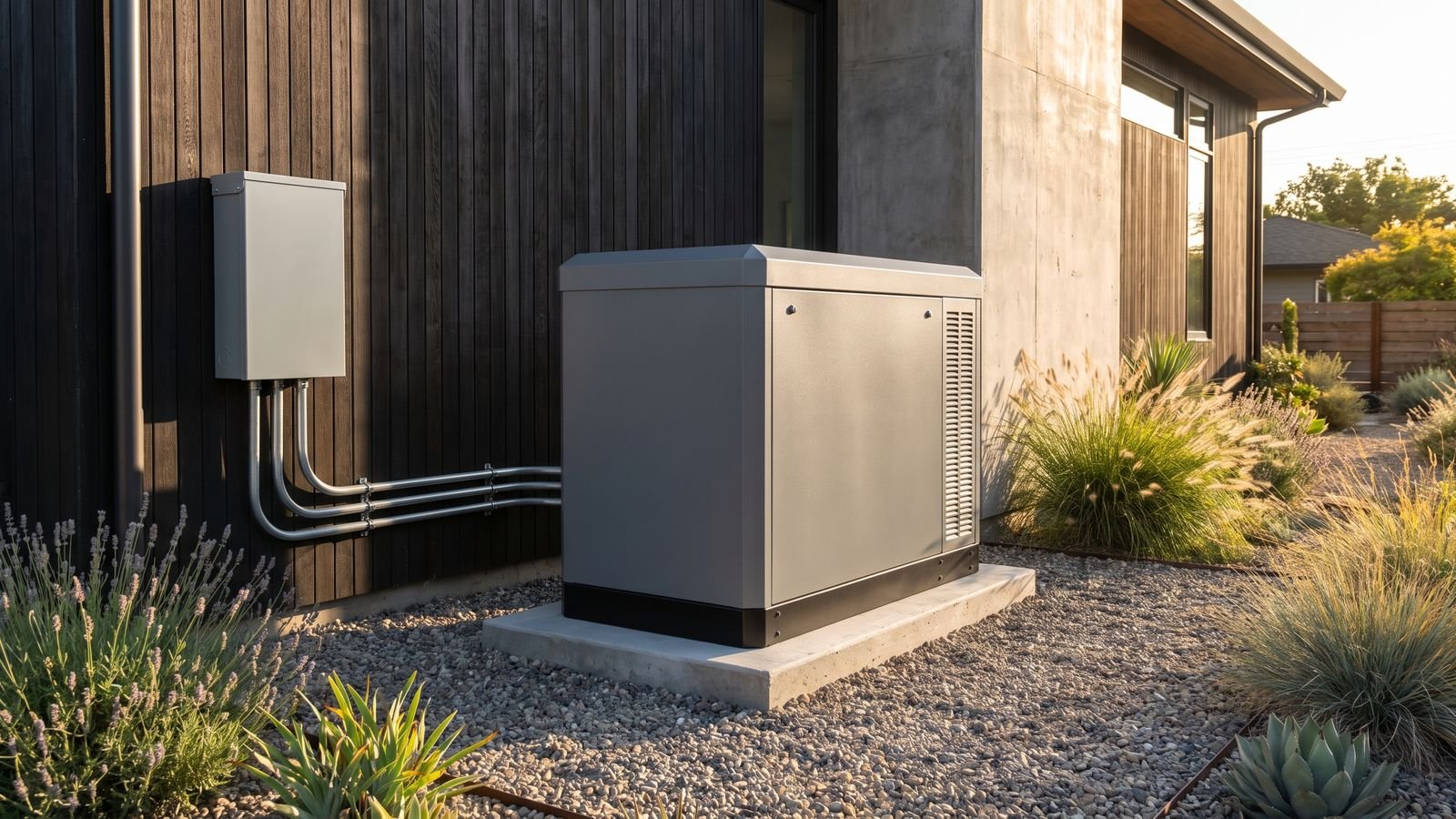
Standby generator installation in Kennewick, Richland, and Pasco. Kyle Gale sizes the unit, wires the transfer s
See detailsHome battery backup installation in Richland, Kennewick, and Pasco. Silent standby power, no fuel, sized to the
See details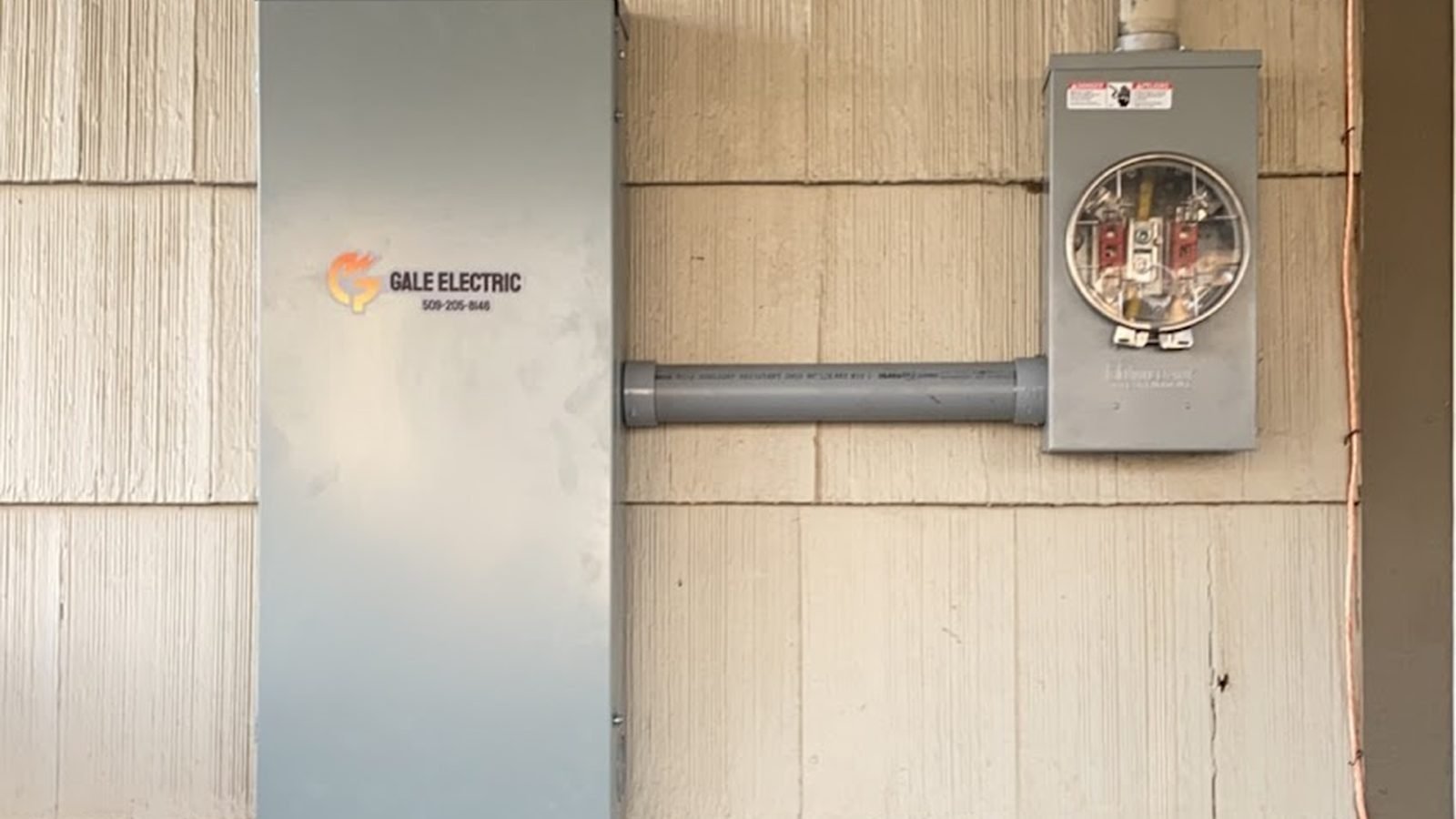
Out of breaker spaces but not out of power? A sub panel adds circuits for a shop, garage, or addition. Gale Elec
See detailsFree estimates across the Tri-Cities. Call Kyle and the crew, or send the details and we will come look.
We use cookies for basic analytics and to see which ads bring people here. No personal data is sold. Privacy policy