
Half the run has gone dark
Fixtures dropping off from the far end of a run point to voltage drop or a failed splice. Buried connections made with indoor wire nuts corrode and open within a couple of seasons.
Summer evenings here are the best part of the year, and in July they do not start until after eight. Outdoor lighting gets that time back. Done right it is a low-voltage system with a properly sized transformer, wet-listed fixtures and buried cable that a shovel will not find. Done wrong it is a box of solar stakes that quit by August.
Fixtures dropping off from the far end of a run point to voltage drop or a failed splice. Buried connections made with indoor wire nuts corrode and open within a couple of seasons.
Undersized cable over a long run loses voltage along the way, so the last fixtures never get what they need. The fix is heavier cable or a different tap on the transformer.
Water in an outdoor box or fixture is the usual cause. Cracked in-use covers and aging exterior receptacles let moisture reach places it should never get to.
Aluminum fixtures in alkaline soil and hard irrigation water pit and cloud fast here. Brass and copper cost more up front and last far longer in this valley.
Mechanical timers drift and do not track sunset, so lights come on in daylight in June and long after dark in December. A photocell or astronomic timer follows the real sunset.
Most residential landscape lighting is 12 volt low voltage fed from a transformer, and there are good reasons for that. The cable is easier to route, it can be buried shallower than a line-voltage branch circuit, and a shovel through a low-voltage run is a repair rather than an emergency. NEC Article 411 covers these systems. Line-voltage exterior fixtures still make sense for floods, security lighting and permanent architectural lighting mounted on the house itself.
The transformer is where a lot of systems go wrong. It should be sized with headroom above the connected load, commonly around twenty percent, so it is not running at its limit on a hot night in August. Multi-tap transformers with 12, 13, 14 and 15 volt outputs let long runs be compensated for voltage drop. We calculate load and run lengths first, because adding four fixtures to a full transformer later means buying a second transformer.
Cover depth is set by code and by the wiring method. NEC 300.5 sets minimum cover for line-voltage direct-burial cable and conduit, and low-voltage landscape wiring under Article 411 has its own shallower requirement. In practice we bury deeper than the minimum anywhere a shovel, an edger or an aerator is likely to go, and we route around irrigation lines. Washington 811 gets called before we dig, every time, with no exceptions made for small jobs.
Splices are the number one long-term failure. A connection made underground with an indoor connector will corrode, and that failure shows up a year later as a dark section of the yard. Every buried connection gets a listed direct-burial or waterproof connector filled with silicone gel. Cable gauge is chosen for the run length as much as the load, since 16 gauge is fine for a short bed and useless at a hundred and fifty feet.
The Tri-Cities is hard on outdoor equipment. Summers past 100 degrees, hard alkaline irrigation water, alkaline soil, wind and blowing dust off open ground, and a real freeze in winter. Painted aluminum fixtures chalk and pit within a few seasons under sprinklers, and the finish goes first. Solid brass and copper develop a patina and keep working. Composite and stainless land in between, depending on the grade of the material and the quality of the gaskets.
Integrated LED fixtures with a sealed optic last longer here than fixtures with a replaceable lamp behind a gasketed lens, because there is one less path for water to find. Look for wet-location listing on anything exposed to sprinklers or rain, and damp-location listing under a covered porch. Every exterior receptacle needs a weather-resistant device and an in-use cover per NEC 406.9(B), and those covers do crack in this sun.
The goal outdoors is to see the effect and not the source. Uplighting on a tree trunk placed a few feet out with a narrow beam, path lights spaced so the pools of light overlap gently instead of lining a walkway like a runway, and downlighting from an eave or a branch to imitate moonlight all read as intentional. Glare is what makes an installation look cheap, and shielded fixtures plus correct aiming are what fix it.
Aim at night. It is the only way to judge the result, so we come back after dark to adjust rather than guessing at two in the afternoon. Warm color temperature at 2700K or below flatters landscape and masonry, while cooler light makes plants look gray. Holding one Kelvin value across the front of a house matters more outdoors than indoors, because the whole facade is taken in at once from the street.
We look at the house and yard after dark with you, because the fixtures you need are decided by what you can and cannot currently see.
Fixture count, run lengths and cable gauge get calculated so the far end of every run has enough voltage, with headroom left on the transformer.
Washington 811 gets called before digging, cable is buried away from irrigation, and every splice uses a listed waterproof connector.
We come back at night to aim fixtures, then set the photocell or astronomic timer so the system tracks sunset year round.
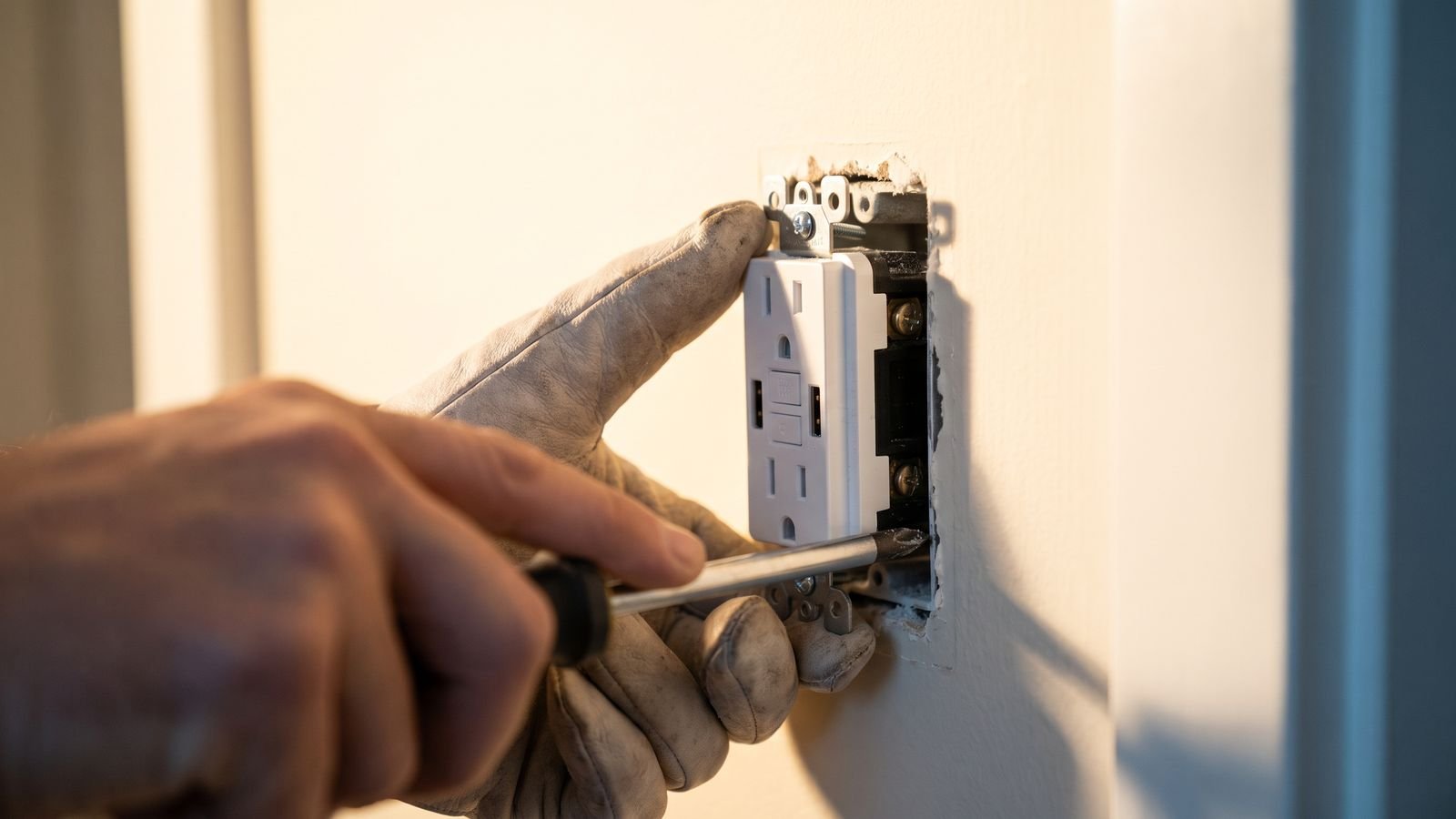
Dead outlet, loose plug, or need one where there is none? Gale Electric installs and repairs outlets in Kennewic
See details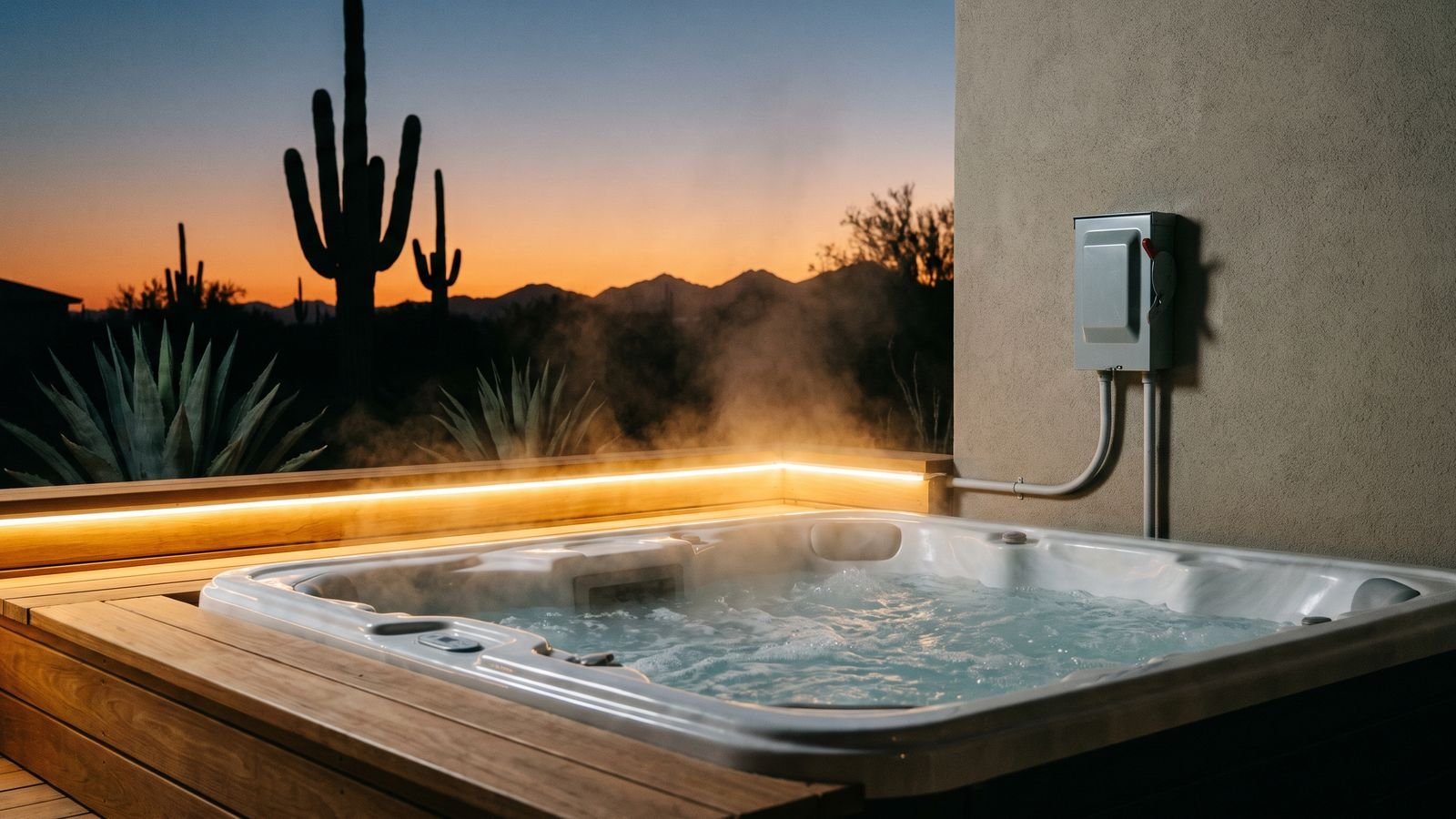
Hot tub and spa wiring in the Tri-Cities. GFCI circuit, code disconnect, bonding, trenching, permit, and inspect
See details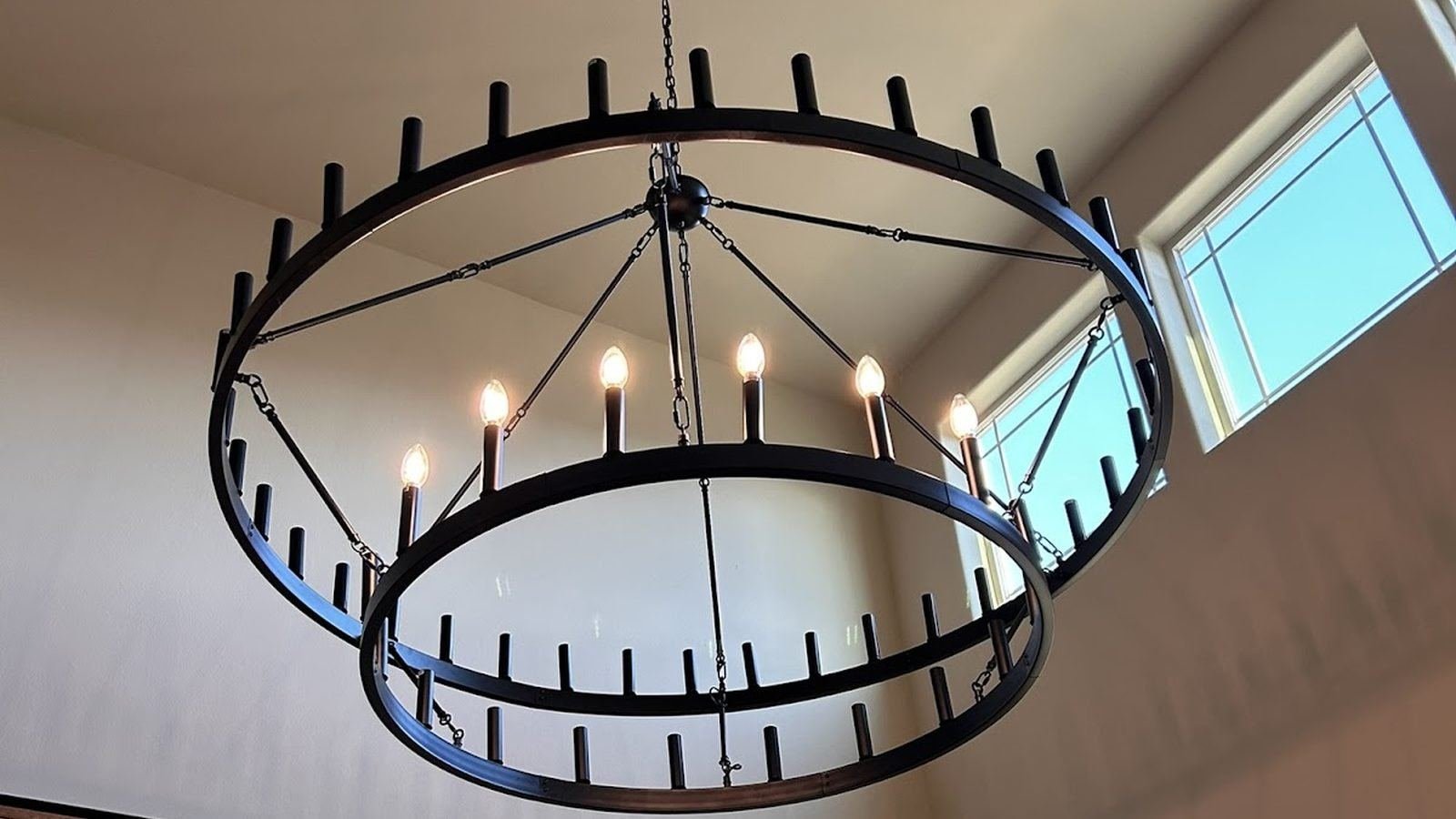
Whole-home lighting design for Tri-Cities builds and remodels. Layered ambient, task and accent light planned be
See detailsFree estimates across the Tri-Cities. Call Kyle and the crew, or send the details and we will come look.
We use cookies for basic analytics and to see which ads bring people here. No personal data is sold. Privacy policy